Why Are You Still Struggling to Stick to Exercise When Your Phone Could Guide You Gently Every Day?
We’ve all been there—excited to start a new fitness routine, only to lose momentum by week three. It’s not laziness. It’s not lack of willpower. It’s because the plan wasn’t yours. What if the secret to lasting exercise habits isn’t pushing harder, but having technology that truly understands your life—your schedule, mood, and goals—and walks beside you? This isn’t about intense workouts or complicated trackers. It’s about small, smart steps that fit seamlessly into your day. And the best part? You don’t need a personal trainer, a gym membership, or even an hour of free time. You just need your phone—and a little guidance that feels like it was made for you.
The Real Reason Most Exercise Habits Fail
Let’s be honest: we’ve all tried the classic fitness plan. You download an app, set a goal of 30 minutes a day, five days a week, and start strong. By day ten, life happens. A sick child keeps you up all night. A work deadline eats into your evening. The laundry piles up, the dog needs walking, and suddenly, that workout feels like just one more thing on an already overflowing list. And when you skip it—again—you tell yourself you’re not disciplined enough. But what if that’s the wrong story?
The truth is, most fitness programs fail not because of you, but because of the program. They’re built for someone who has a predictable schedule, endless energy, and the luxury of putting themselves first. But real life doesn’t work that way. If you’re a mom juggling school drop-offs and dinner prep, a remote worker managing Zoom fatigue, or someone caring for aging parents, your day doesn’t follow a neat timetable. And when a fitness plan ignores that reality, it’s setting you up to feel guilty, not empowered.
Studies show that over 80% of people abandon their New Year’s fitness resolutions by February. But it’s not because they don’t care about their health. It’s because the approach doesn’t care about them. A one-size-fits-all workout plan doesn’t ask how you’re sleeping, how stressed you feel, or whether you’ve had five minutes to yourself all week. It just says: “Do it.” And when you can’t, it whispers, “You failed.” That’s not motivation. That’s pressure. And pressure doesn’t build habits—it breaks them.
What we really need isn’t more discipline. We need compassion. We need a system that adapts to us, not one that demands we adapt to it. And that’s exactly what modern technology is starting to offer—not rigid rules, but flexible support that meets us where we are.
How Personalized Tech Knows You Better Than You Think
Think about your phone. It already knows when you wake up, how much you walk, and even when you tend to scroll before bed. But what if it used that information not to sell you ads, but to help you feel better? That’s the promise of today’s health tech. It’s not just counting steps anymore. It’s learning your rhythm—the natural flow of your energy, mood, and daily responsibilities.
Imagine opening your wellness app in the morning and seeing a message that says, “You only slept 6 hours last night. How about a gentle stretch instead of your usual run?” That’s not failure. That’s wisdom. Or picture getting a notification at 3 p.m. that reads, “You’ve been sitting for two hours. Want to try a 4-minute desk flow?” These aren’t random reminders. They’re insights based on your actual behavior, sleep patterns, and even your mood logs.
Modern wearables and apps use simple daily check-ins—like rating your energy from 1 to 5 or noting your stress level—to build a deeper understanding of your life. Over time, they start to recognize patterns. They notice you’re more likely to move after a good night’s sleep. They see that yoga makes you calmer on busy days. They learn that you skip workouts when your schedule is packed with back-to-back meetings. And instead of scolding you, they adjust.
This isn’t about big data or complex algorithms. It’s about small, thoughtful nudges that feel like they come from someone who knows you. It’s like having a fitness friend who doesn’t judge, doesn’t push too hard, and always has your best interest in mind. And the more you use it, the smarter it gets. You’re not just tracking your health—you’re teaching your tech how to support you in a way that actually works.
Turning “I Should” Into “I Did” — The Power of Micro-Habits
Let’s talk about the word “should.” It’s one of the most guilt-inducing words in the fitness world. “I should go to the gym.” “I should eat better.” “I should be more consistent.” But guilt doesn’t create change. Action does. And action doesn’t have to be big to be meaningful.
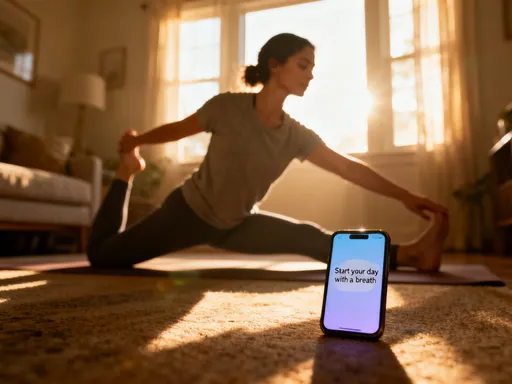
The real secret to lasting habits isn’t grand gestures—it’s micro-habits. Tiny, doable actions that take less than five minutes but add up over time. Think: rolling your shoulders while brushing your teeth. Doing three minutes of deep breathing before checking your phone in the morning. Taking the stairs instead of the elevator. These aren’t “workouts” in the traditional sense, but they’re movement. And movement, no matter how small, counts.
Personalized apps are especially good at helping you spot these opportunities. They don’t demand an hour of your time. Instead, they say, “Hey, you’ve got three free minutes before your next meeting. Want to try a quick mobility routine?” One user, a schoolteacher named Maria, told me how her app suggests a 3-minute morning stretch sequence that she does while her coffee brews. “It’s not much,” she said, “but it’s something. And doing it every day makes me feel like I’m showing up for myself.”
That’s the magic of micro-habits. They’re so small they feel easy, but they build confidence. Each time you do one, you prove to yourself that you can follow through. And that small win creates momentum. You start to believe, “If I can do this, maybe I can do a little more.” Before you know it, those tiny actions become part of your routine—no willpower required.
The best part? These tools celebrate every effort, not just the big ones. When you complete a micro-habit, you might get a warm message like, “You moved your body today—great job!” or a little animation that makes you smile. It’s positive reinforcement that feels human, not robotic. And over time, that encouragement helps shift your mindset from “I have to” to “I want to.”
Making It Feel Natural: Blending Movement Into Your Daily Flow
Here’s a radical idea: exercise doesn’t have to happen at the gym. It doesn’t need a mat, a playlist, or special clothes. It can happen while you’re folding laundry, waiting for dinner to cook, or watching your favorite show. The key is to stop thinking of movement as a separate task and start seeing it as part of your day.
Personalized tech helps with this by suggesting ways to move that fit your lifestyle. For example, if you love cooking, your app might remind you to sway your hips while stirring—turning dinner prep into a mini dance party. If you’re watching TV, it could suggest doing seated leg lifts during commercials. If you’re on a phone call, it might encourage you to take it while walking around the house or yard.
One mom I spoke with, Sarah, uses her wearable to remind her to do calf raises while standing at the kitchen counter. “I’m already there making lunches or unloading the dishwasher,” she said. “Why not squeeze in a little movement?” Another user, a retiree named Linda, takes “walking meetings” with her grandchildren—strolling around the park while they chat about school and life. “We’re bonding and moving at the same time,” she said. “It feels so natural.”
This is the beauty of blending movement into your flow. It stops being something extra and starts being part of what you’re already doing. And because it feels effortless, you’re more likely to keep doing it. You’re not carving out time—you’re using the time you already have. That’s not cheating. That’s being smart.
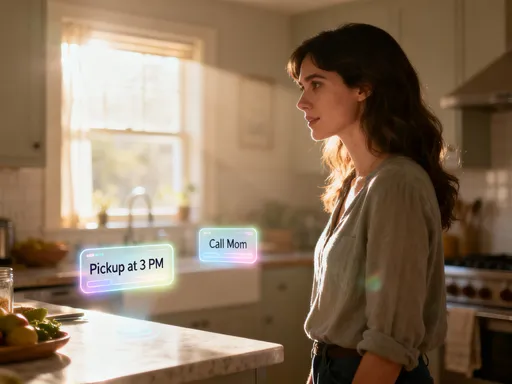
Technology makes this easier by offering context-aware suggestions. Instead of a generic “Go for a walk,” it might say, “The weather is nice. How about a 10-minute walk after you finish lunch?” Or, “You’ve been sitting all morning. Try standing and stretching for 2 minutes.” These prompts are timed to fit your day, not disrupt it. And because they’re personalized, they feel relevant—not like noise.
The Emotional Side of Staying Active—And How Tech Helps
We don’t talk enough about how emotional fitness really is. Some days, you’re energized and ready to go. Other days, you’re tired, overwhelmed, or just not in the mood. And that’s okay. But when your fitness tool doesn’t acknowledge that, it can feel cold or robotic—like a drill sergeant instead of a supporter.
The best health apps today understand this. They don’t just track your steps—they respond to your mood. If you log that you’re feeling stressed, your app might suggest a calming breathing exercise instead of a high-intensity workout. If you’ve had a tough week, it might send a message like, “You’ve been showing up. That’s what matters.”
Some apps even let you choose the tone of your encouragement. Want something warm and gentle? You’ll get messages like, “You’re doing great—just keep going.” Prefer a firmer voice? It might say, “You’ve got this. Time to move.” Or if you like a little fun, you might get a playful nudge: “Your body is ready to dance—just 2 minutes!” This level of personalization makes the experience feel more human, like you’re being guided by someone who gets you.
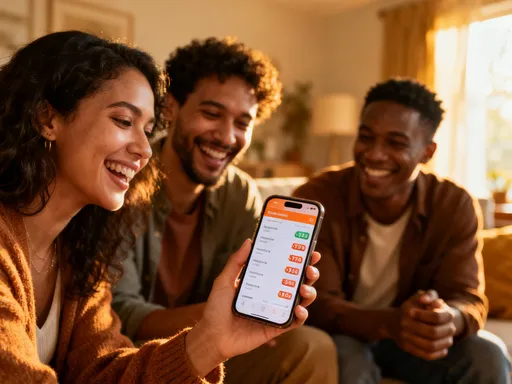
And then there’s the power of gentle accountability. Some apps let you share your progress with a friend or family member—just a simple update, no pressure. Others use virtual pets or gardens that grow as you stay consistent. One user told me her daughter loves checking her “fitness garden” to see how many flowers have bloomed from her mom’s daily walks. “It makes her proud of me,” she said. “And that makes me want to keep going.”
These emotional touches matter. They turn fitness from a chore into a journey you feel supported on. And when you feel seen and encouraged, you’re more likely to keep showing up—even on the hard days.
Choosing Tools That Fit Your Life, Not Your Inbox
With so many fitness apps out there, it’s easy to feel overwhelmed. Some promise everything—meal plans, sleep tracking, social sharing, live classes. But more features don’t always mean better results. In fact, too many notifications can backfire, making you feel bombarded instead of supported.
The key is to choose tools that prioritize simplicity and personalization over flashy extras. Look for apps that adapt to your life, not the other way around. Does it ask about your energy, mood, or schedule? Can it adjust recommendations based on how you’re feeling? Does it work offline, so you’re not dependent on Wi-Fi? These are signs of a tool that’s designed to help, not hassle.
Privacy is another important factor. Your health data is personal. Make sure the app you choose has clear privacy policies and doesn’t share your information without consent. You should feel safe, not spied on.
Also, consider how the app delivers its messages. Does it send five notifications a day, or just one thoughtful one at the right time? The goal isn’t more pings—it’s fewer, smarter ones that actually help. One user shared that she deleted three fitness apps before finding one that sent just one daily suggestion—something she could actually do. “It didn’t shout at me,” she said. “It whispered. And that made all the difference.”
Don’t be afraid to try a few and see what fits. Your perfect tool might not be the most popular one—it’s the one that feels right for you. It should feel like a quiet companion, not a loud coach. It should support your rhythm, not disrupt it.
Building a Future Where Fitness Feels Effortless
Imagine a life where staying active isn’t something you force yourself to do, but something you naturally find yourself doing. Not because you’re perfect, but because it fits. Because it feels good. Because it’s part of who you are.
That’s the future personalized health tech is helping us build. One where fitness isn’t about pushing through pain or meeting arbitrary goals. It’s about listening to your body, honoring your time, and moving in ways that bring you joy. It’s not about looking a certain way—it’s about feeling strong, calm, and capable in your own skin.
And the best part? This future isn’t far away. It’s already here, in the quiet suggestions of your wearable, the thoughtful messages from your app, the tiny habits that add up without you even noticing. It’s not about dramatic change. It’s about gentle, consistent progress that respects your life as it is.
So if you’ve ever felt like you’re “bad at exercise,” I want you to reframe that. You’re not bad at it. You’ve just been given the wrong tools. The right tool doesn’t make you feel guilty. It makes you feel seen. It doesn’t demand more from you—it helps you give a little more to yourself, in a way that actually works.
Technology isn’t here to replace willpower. It’s here to support you—to walk beside you, gently, one step at a time. And when it does, staying active stops being a struggle. It becomes a part of your story. Your rhythm. Your life. And that’s something worth moving toward.