I used to miss everything: How smart recommendations quietly changed my daily rhythm
You know that feeling when you’re scrolling endlessly, searching for the right product, recipe, or show—but nothing quite fits? I was stuck in that loop too, until I realized something small was missing: context. It wasn’t about more choices, but better ones. That’s when smart recommendation systems stepped in—not with fanfare, but with quiet precision. They learned my habits, predicted my needs, and slowly made daily decisions feel lighter. This isn’t about flashy tech. It’s about how invisible intelligence began making my life flow more smoothly, one thoughtful suggestion at a time.
The Overwhelm of Choice: When "More" Feels Like "Too Much"
Remember that Saturday morning when you stood in front of the fridge, staring at ingredients, wondering what to cook—only to end up ordering takeout again? Or the time you spent 45 minutes scrolling through streaming options, too tired to choose, and finally fell asleep without watching anything? I’ve been there, more times than I’d like to admit. We live in a world of abundance. Supermarkets stock thousands of products. Online stores offer endless variations of the same item. And our entertainment options? They could keep us busy for decades. But instead of feeling empowered, we often feel drained.
The truth is, too many choices can be paralyzing. Psychologists call it decision fatigue—when your brain gets tired from making too many small decisions, and you either avoid choosing or regret what you picked. For me, it started with shopping. I’d open an app, see 17 kinds of olive oil, and freeze. Was this one extra virgin? Was that one organic? Did I even need flavored oil? Meanwhile, my kids were hungry, my to-do list was growing, and I just wanted to get dinner on the table. That’s when I realized: I didn’t need more options. I needed someone—or something—to help me find the right one, fast.
And it wasn’t just shopping. It was planning weekend activities, picking a new book, even choosing a workout. Every decision, no matter how small, added to the mental load. I began to feel like I was constantly choosing, but never really getting anywhere. The freedom to pick anything had somehow turned into the pressure to pick perfectly. I wasn’t living easier—I was thinking harder. And honestly, I was tired of it. I wanted simplicity. I just didn’t know how to get there—until the suggestions started to make sense.
From Random to Relevant: The Quiet Shift in Digital Suggestions
Let’s be honest—recommendations used to be kind of annoying. Remember those ads that followed you around the internet for shoes you already bought? Or when a music app suggested heavy metal when you’d only ever listened to soft jazz? I used to think, This tech doesn’t get me at all. It felt like noise, not help. But over the last few years, something changed. Slowly, almost without me noticing, the suggestions started to feel… different. More personal. Less like random guesses and more like thoughtful suggestions from someone who’d been paying attention.
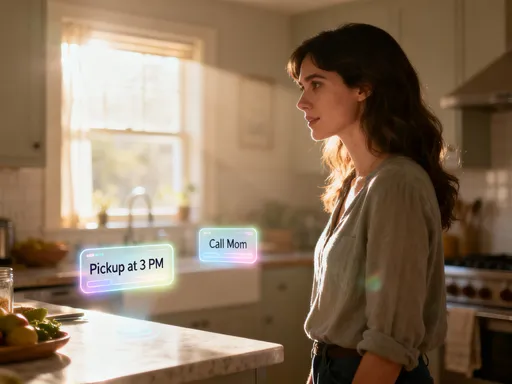
Take my coffee habit. I used to order the same oat milk latte every morning, typing it in each time. Then one day, I opened the coffee shop’s app, and there it was—my usual, already selected. No searching, no typing. Just one tap, and it was done. I remember thinking, Wow, that was easy. It wasn’t flashy. No pop-up, no celebration. But it felt like the app finally knew me. And that tiny moment of convenience? It stuck with me.
Then it started happening elsewhere. My grocery app began suggesting items I usually buy around the same time each week—oat milk on Mondays, bananas on Wednesdays, my favorite brand of pasta when I was running low. A bookstore app recommended a novel that felt like it was written for me—same author as the last one I loved, but with a new twist I hadn’t discovered yet. These weren’t accidents. They were patterns. And for the first time, the tech wasn’t just reacting—it was anticipating.
What changed? From what I’ve learned, it’s not magic. It’s smarter algorithms—systems that learn from your behavior over time. They don’t just see what you bought; they see when, how often, and in what order. They notice that you buy soup when it rains, or that you browse fitness videos on Sunday nights. They start to recognize rhythms. And slowly, the suggestions go from generic to genuinely helpful. It’s not about tracking every move. It’s about understanding the flow of your life—and fitting in, gently.
Learning Me: How Smart Systems Understand Daily Rhythms
When I first heard that apps “learn” from me, I’ll admit—I was a little skeptical. What does that even mean? Am I being watched? But the more I used these tools, the more I realized it’s not about surveillance. It’s about pattern recognition. Think of it like a friend who quietly notices your habits. They don’t ask questions. They just pay attention. You always order tea with honey? They remember. You buy gluten-free snacks every two weeks? They start to expect it. That’s what these systems do—on a digital level.
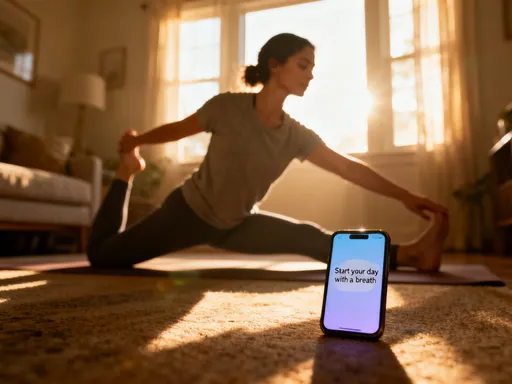
For example, my grocery app now adds oat milk to my cart every Monday morning. Not because I set a reminder. Not because I told it to. But because I’ve bought it every Monday for the past six months. It’s learned my rhythm. And it’s not just groceries. My fitness app knows I tend to skip workouts on busy days, so on those mornings, it suggests a 10-minute stretch instead of a 30-minute run. It’s not judging me. It’s adjusting to me. And honestly? That makes me more likely to follow through.
Another example: I love cooking, but some nights, I’m just too tired to plan. A few months ago, I started using a meal-planning app that suggests recipes based on what’s in my pantry and what I’ve cooked before. One rainy Tuesday, it suggested a lentil soup I hadn’t made in months—but that I’d rated five stars. I hadn’t thought about it, but the app remembered. I made it, and my family loved it. It felt like the app had reached into my memory and pulled out something good.
These systems aren’t perfect. Sometimes they miss the mark. But more often than not, they get it right because they’re not guessing. They’re remembering. And that shift—from random to relevant—is what makes the difference. It’s not about having more data. It’s about using it with care. Like a good assistant, they don’t take over. They just help you move through your day with a little less friction.
Small Wins, Big Relief: Daily Life Made Lighter
You might be thinking, Okay, but how much difference can a suggested recipe or a remembered coffee order really make? I used to wonder that too. But here’s what I’ve learned: small things add up. When you save two minutes here, five minutes there, it’s not just about time. It’s about mental space. It’s about not having to think so hard about the little things—so you can focus on what matters.
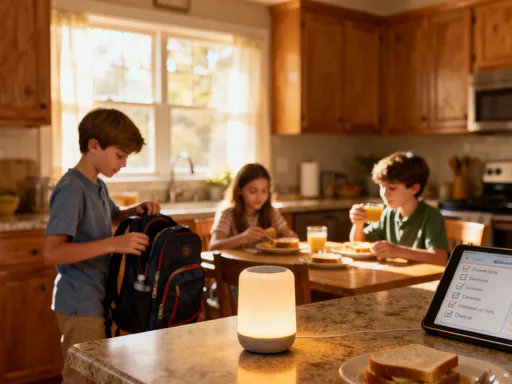
Take meal planning. Before, I’d spend Sunday evenings stressed, trying to figure out what to cook for the week. I’d jot down ideas, check the fridge, then forget half of it by Tuesday. Now, my app suggests a weekly plan based on my preferences, seasonal ingredients, and even my schedule. If I have a late meeting on Wednesday, it recommends a quick one-pan dish. If I know I’ll be baking with my daughter on Saturday, it suggests a fun weekend recipe. I still make the final call—but the heavy lifting is done for me.
And it’s not just about food. Last month, I needed new running shoes. I wasn’t excited about spending hours comparing models. But my shopping app, which knows I usually buy a specific brand and size, notified me when they went on sale—plus a color I’d liked in a past browse. I clicked, bought, and it was done in under a minute. No research, no stress. Just a simple, smooth experience.
For busy parents, students, anyone juggling multiple roles—these micro-moments of ease are everything. They don’t change your life in a dramatic way. But they make it feel lighter. They reduce the background noise of daily decisions. And over time, that adds up to something powerful: peace of mind. You start to feel like you’re not constantly catching up. You’re moving forward—calmly, steadily, with a little help.
Beyond Shopping: Recommendations That Support Personal Growth
Here’s something I didn’t expect: smart suggestions can actually help you grow. I used to think of recommendations as tools for buying things. But they can also guide you toward better habits, new interests, even personal goals. For example, my fitness app doesn’t just suggest workouts. It adapts. On days when I’ve logged less sleep or skipped my morning walk, it doesn’t push me harder. It offers a gentler routine—something to keep me moving without burning out. It’s like having a coach who knows when to challenge me—and when to say, It’s okay, take it easy.
Similarly, my reading app has introduced me to books I never would’ve found on my own. I love memoirs, but I was stuck in a loop—same themes, same voices. Then the app suggested a memoir from a woman in another country, with a life completely different from mine. I was hesitant, but I gave it a try. It opened my eyes. Now, I look forward to the suggestions, not just for entertainment, but for growth.
Even my music app has become a kind of mood helper. On stressful days, it notices I play calming playlists and suggests similar ones. On weekends, when I’m cleaning or cooking, it queues up upbeat songs that match my energy. It’s not controlling my mood. It’s supporting it. And that subtle difference matters.
The beauty is, these nudges don’t feel pushy. They’re not demanding change. They’re offering gentle invitations—to move, to read, to reflect. And because they’re based on what I already enjoy, they feel natural, not forced. Over time, I’ve found myself trying new things not because I had to, but because they were presented in a way that felt right. That’s the quiet power of smart recommendations: they don’t just serve you. They help you become who you want to be—one small, thoughtful suggestion at a time.
Trust, Not Tracking: Staying in Control While Letting Go
Now, I know what some of you might be thinking: Isn’t this just another way for companies to track me? And I get it. Privacy matters. I don’t want to feel watched. I don’t want my data used in ways I don’t understand. So I’ve taken steps to make sure I’m still in charge. And honestly? It’s easier than I thought.
Most apps let you control what they learn. You can adjust privacy settings, turn off personalized ads, or delete your history. I’ve gone through my settings and turned off location tracking for apps that don’t need it. I’ve reviewed which ones have access to my contacts or camera. And I’ve opted out of data sharing where I’m not comfortable. It took an hour, but now I feel more at ease.
Here’s what I’ve learned: personalization doesn’t have to mean surrender. You can enjoy the benefits—like faster shopping, better suggestions—without giving up control. It’s about balance. I let my grocery app remember my favorites, but I don’t let a fitness tracker share my data with third parties. I allow music recommendations, but I disable voice assistants when I’m not using them. It’s not all or nothing. It’s about choosing what feels right for you.
And here’s a simple rule I follow: if a suggestion feels helpful, I keep it. If it feels creepy or invasive, I adjust the settings. Trust your gut. Technology should serve you, not unsettle you. When it works well, it’s like having a quiet helper in the background—there when you need it, invisible when you don’t. And that, to me, is the goal.
The Calmer Life: When Technology Fades Into the Background
Looking back, the biggest change hasn’t been in the apps or the suggestions. It’s been in how I feel. I’m less stressed. I make decisions faster. I have more mental space for the things I love—my family, my hobbies, my quiet mornings with coffee. The tech hasn’t taken over. It’s stepped back. It’s become part of the rhythm, not the noise.
True innovation, I’ve realized, isn’t about flashy features or the latest gadget. It’s about creating space—space for peace, for presence, for living more fully. And sometimes, that space comes from something as simple as a suggestion that feels just right. It’s not about doing more. It’s about doing what matters, with less effort.
I still make the choices. I still set the pace. But now, I have quiet allies—systems that learn, adapt, and support without demanding attention. They don’t replace my judgment. They enhance it. And in a world that often feels too fast, too loud, too much, that makes all the difference.
So if you’re still scrolling, still searching, still feeling overwhelmed by choices—know this: it doesn’t have to be that way. You don’t need more options. You need better ones. And sometimes, the tech that helps you most is the one you don’t even notice. It’s not about being perfect. It’s about feeling lighter. And that, my friend, is a rhythm worth finding.