More than calm: Meditation apps that helped me pause without pressure
Life moves fast—between work, family, and endless to-do lists, real peace can feel out of reach. I used to think meditation wasn’t for me—too quiet, too hard to focus, too “perfect” to get right. But when I found the right meditation music apps, everything changed. They didn’t demand silence or hours of stillness. Instead, they met me in the chaos: a 3-minute breathing break before a meeting, soft melodies during a tense commute, or gentle guidance after a sleepless night. This is how real calm begins—not in perfection, but in small, kind moments.
The Myth of Perfect Meditation
I remember the first time I tried to meditate. My kids were building a pillow fort in the living room, my phone was buzzing with emails, and I sat cross-legged on the floor, eyes closed, silently begging for five minutes of quiet. I opened a popular meditation app, pressed play on a 10-minute guided session, and immediately felt like I was failing. My mind raced. I heard a crash—someone knocked over a lamp. I opened my eyes, sighed, and gave up. I thought, “This isn’t for me. I’m too busy. Too distracted. Too imperfect.”
That moment stayed with me, not because I failed, but because I realized how much I’d misunderstood meditation. I had bought into the myth—the idea that meditation only “counts” if you’re sitting in perfect silence, thoughts completely still, like a serene monk on a mountain top. But that image? It’s not real life. And for most of us, especially those juggling work, parenting, aging parents, or just daily chaos, it’s not only unrealistic—it’s discouraging.
The truth I’ve learned is this: meditation isn’t about perfection. It’s about presence. It’s about showing up, even when your mind is loud, your body is tired, and your house is anything but peaceful. The right meditation app doesn’t ask you to be flawless. It meets you where you are. It offers a gentle voice, a calming melody, or a simple breath cue—no judgment, no pressure. And over time, that small act of pausing, even for a minute, starts to shift something inside. You begin to feel less like a failure and more like someone who’s simply trying. And that, honestly, is enough.
Choosing the Right App for Your Real Life
When I first started exploring meditation apps, I downloaded nearly every one I could find. Some felt like they were made for tech CEOs or yoga influencers—polished, sleek, and completely out of touch with my messy reality. One app opened with a deep-voiced narrator saying, “Let go of all attachment to outcome,” while my toddler was screaming in the background. I laughed. I wasn’t looking to detach from life—I was looking to survive it with a little more grace.
What I discovered is that not all apps are created equal, and more importantly, not all apps are right for every life stage or personality. The key isn’t finding the most popular app or the one with the most features. It’s finding the one that feels like it was made for *you*. For me, that meant an app with short, accessible sessions, warm and conversational guidance, and music that felt comforting, not clinical.
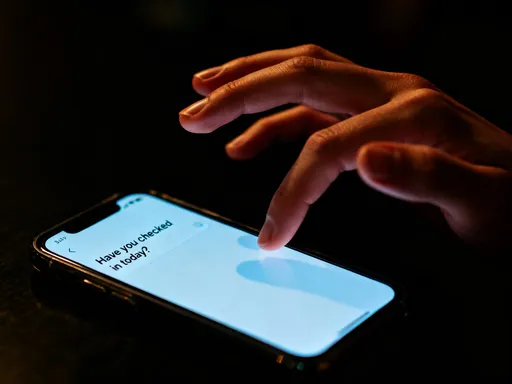
I found one that started with a simple question: “How are you feeling today?” I could tap “overwhelmed,” “tired,” or “anxious,” and it would suggest a personalized session. The voice wasn’t too formal, not too soft—it felt like a calm friend checking in. The interface was clean, not overwhelming with options. And most importantly, it didn’t make me feel like I had to earn peace. It offered it freely, right where I was.
That’s the difference. The right app doesn’t feel like a taskmaster. It feels like support. It understands that you’re not looking to become a meditation master overnight. You just want to feel a little more grounded, a little less frazzled. When an app gets that, it stops being a tool and starts feeling like a companion—one that walks with you through the noise, not above it.
Starting Small: The Power of Micro-Moments
One of the biggest mistakes I made early on was thinking I had to meditate for 20 minutes to “count.” I’d set a timer, close my eyes, and by minute three, I’d be mentally planning dinner, wondering if I’d remembered to pay the electric bill, or listening for the school bus outside. I’d get frustrated, stop, and think, “I can’t do this.”
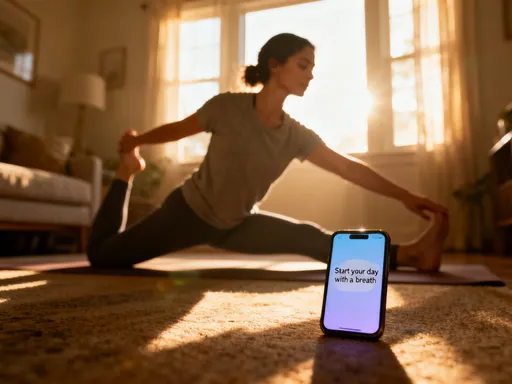
Then I tried something different. I started with just one minute. One minute of closing my eyes, breathing slowly, and listening to a soft piano melody play in the background. I used an app feature called “Breathe with Me”—a simple, one-minute guided breath that synced with a glowing circle on the screen. In. Out. That’s it.
And something shifted. Because it was so short, I didn’t feel pressure. Because it was so simple, I didn’t feel like I had to “do it right.” I could do it while waiting for the coffee to brew, before opening my laptop, or even in the car during a school pickup line. Those tiny moments didn’t transform my life overnight, but they did something powerful: they taught my nervous system that calm was possible, even in the middle of everything.
Science backs this up—micro-meditations help rewire the brain over time. They train your attention to return, like a muscle. And the more you practice—even in small bursts—the easier it becomes to access that sense of calm when you really need it. Now, when I feel tension rising during a busy day, I don’t wait for the “perfect time” to meditate. I tap the app, press the “Quick Calm” button, and breathe for two minutes. It’s not grand. It’s not dramatic. But it works. And that’s what matters.
Avoiding the Silence Trap
For years, I thought meditation meant sitting in total silence. I believed the goal was to “clear my mind” and achieve stillness. But when I actually tried it, silence felt… loud. Uncomfortable. My thoughts raced even more. It was like my brain, unused to quiet, started shouting just to fill the space. I’d end up more anxious than when I started.
Then I discovered meditation apps that used music. Not just any music—gentle, ambient soundscapes: soft piano, flowing water, distant wind chimes, or a slow cello melody. At first, I worried the music would distract me. But the opposite happened. The music didn’t pull me away from the moment—it anchored me in it. It gave my mind something soothing to rest on, like a hammock for my thoughts.
One evening, after a long day of back-to-back calls, I opened an app and chose a session called “Evening Drift.” It began with a warm voice saying, “You don’t have to fix anything. Just let the music hold you for a few minutes.” And I did. The piano played slowly, notes spaced apart, like raindrops on a window. I didn’t try to stop thinking. I just let the music carry me. When my mind wandered to tomorrow’s to-do list, I noticed it, and the music gently pulled me back. No effort. No guilt.
That’s when I realized: music isn’t cheating. It’s helping. For many of us, especially those who feel restless or emotionally overwhelmed, silence can feel like a test we’re bound to fail. But music? Music feels like kindness. It softens the edges of our thoughts. It makes meditation feel less like a performance and more like a gift. Apps that blend music with subtle guidance—just enough voice to orient you, not so much that it dominates—create a space where real relaxation can happen. And that’s where healing begins.
Creating Rituals, Not Rules
I used to treat meditation like a chore. I’d tell myself, “You should meditate every morning before breakfast.” And if I missed it? I’d feel guilty. Like I’d already failed the day. That mindset turned something meant to reduce stress into another item on my to-do list. No wonder I kept quitting.
Then I shifted my thinking. Instead of treating meditation as a rule, I started treating it as a ritual. A ritual isn’t about perfection. It’s about intention. It’s a small, meaningful act that helps you transition from one part of your day to another. For me, that meant pairing the app with moments I already did every day—like my morning coffee or my evening skincare routine.
Now, when I pour my coffee, I sit for three minutes with the app. I don’t have to close my eyes the whole time. I just listen to a short guided track while the steam rises from the mug. It’s not long. It’s not fancy. But it’s mine. That simple act signals to my brain: this is a pause. This is where I come back to myself.
At night, I use a lullaby-style playlist as I wash my face and brush my teeth. The music is slow, the voice soft, like a whisper. I don’t always fall asleep during it—sometimes I’m still thinking about the day—but just pressing play tells my body, “It’s time to slow down.” Over time, these small pairings became emotional cues. The sound of the first note, the glow of the app on my phone—they started to mean safety. They became part of my rhythm, not a disruption to it.
That’s the beauty of rituals. They don’t demand perfection. They invite presence. And when your meditation app becomes part of a ritual, it stops feeling like a task and starts feeling like a return—to yourself, to calm, to what matters.
Handling Distractions with Kindness
Here’s what no one tells you about meditation: your mind *will* wander. It’s not a sign you’re bad at it. It’s a sign you’re human. I used to get so frustrated when I’d lose focus—thinking about groceries, replaying a conversation, planning a trip. I’d think, “I can’t even do this one thing right.” And I’d stop.
But the apps that helped me the most didn’t scold me for getting distracted. They welcomed it. One app, in particular, had a session where the guide said, “If your mind wanders, that’s okay. In fact, it’s expected. The practice isn’t staying focused. It’s noticing you’re distracted—and gently coming back. Every time you return, you’re strengthening your attention, like lifting a tiny weight for your brain.”
That changed everything. I stopped seeing distractions as failures and started seeing them as part of the process. And the music helped. When my thoughts would race, a soft chime in the background—a subtle sound woven into the track—would gently pull my attention back, like a hand guiding me home. I didn’t have to force it. I just followed the sound, like a thread.
Over time, this practice bled into my daily life. When I felt overwhelmed by a demanding email or a tense conversation, I’d remember: “Just notice. And gently return.” I’d take one breath. And that small pause made a difference. I responded instead of reacted. I listened instead of defended. The app didn’t make me perfect—but it gave me tools to be kinder, to myself and to others.
Real Calm for Real Lives
Looking back, I can honestly say these meditation apps didn’t “fix” my life. I still have busy days. I still get stressed. My kids still leave toys everywhere, and my inbox never stays empty. But something has shifted. I don’t feel as hijacked by my emotions. I don’t spiral as easily. When anxiety creeps in, I have a place to go—a three-minute track, a familiar voice, a melody that wraps around me like a blanket.
The real power isn’t in long sessions or perfect practice. It’s in consistency. It’s in showing up, again and again, even when you’re tired, even when you don’t feel like it. It’s in giving yourself permission to pause, without guilt, without pressure. These apps didn’t teach me how to escape life—they taught me how to be more present in it.
Now, when I feel the weight of the day pressing down, I don’t wait for a vacation or a weekend to feel better. I open the app. I press play. I breathe. And in that small act, I reclaim a piece of myself. I remember that peace isn’t something you find far away. It’s something you carry. And sometimes, all it takes is a few notes of music, a gentle voice, and the courage to press pause.
For anyone who’s ever thought, “I’m not the meditation type,” I want to say this: you don’t have to be. You just have to be willing to try—on your terms, in your messy, beautiful life. The right app won’t ask you to be perfect. It will meet you with kindness, with music, with small moments of grace. And over time, those moments add up. Not to a perfect life. But to a calmer one. And that, I’ve learned, is more than enough.