From Anxious to At Ease: How Door Sensors Gave My Home Peace of Mind
Living in a world where safety feels uncertain, I used to check the front door three times before bed. One rainy night, my toddler nearly slipped outside unnoticed. That’s when I discovered door and window sensors—not as gadgets, but as quiet guardians. They didn’t just alert me when a window opened—they gave me back sleep, confidence, and calm. This is their story, and maybe, yours too. If you’ve ever paused on your commute to wonder, "Did I lock the back door?" or felt that little knot in your stomach when the kids are playing near an open patio, you’re not alone. We’re not paranoid—we’re parents, caregivers, homemakers. We care deeply, and we want to protect what matters most. And sometimes, the simplest tools make the biggest difference.
The Little Worry That Never Left: When “Did I Lock the Door?” Becomes a Daily Habit
Let’s be honest—how many times have you walked out to your car, engine running, and suddenly thought, "Wait, did I actually close the garage door?" Or you’re already halfway to work, and your mind drifts back to the kitchen window you cracked open for fresh air. Was it still open? Did the wind push it wider? These aren’t signs of anxiety—they’re signs of being human in a busy household. I used to keep a mental checklist: lock the front door, shut the side gate, make sure the basement window wasn’t ajar. But some days, between packing lunches, signing permission slips, and soothing a crying toddler, that checklist slipped through the cracks.
And it’s not just about forgetting. It’s about the weight of responsibility. I remember one morning, I dropped my oldest at school and then realized I couldn’t remember if I’d locked the front door behind me. I turned the car around, drove back, checked—yes, it was locked—and then had to rush to make it to a doctor’s appointment on time. That little loop cost me 20 minutes and a lot of unnecessary stress. It made me wonder: why am I living like this? Why should something as basic as knowing my home is secure feel so out of reach?
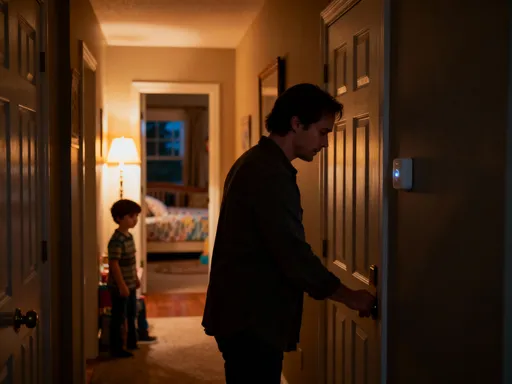
Then there was the night it really hit home. My youngest, barely two at the time, had woken up, wandered into the living room, and somehow pushed open the sliding glass door. It was raining, the backyard was slick, and she was barefoot, taking tiny steps into the dark. I saw her just in time. My heart nearly stopped. That moment changed everything. It wasn’t that I didn’t care—I did, deeply. But caring isn’t always enough when life moves fast. I needed something that could keep up with the chaos, something that could help me breathe easier. That’s when I started looking into door and window sensors—not because I wanted a high-tech fortress, but because I wanted peace.
Meet the Silent Guardian: What Door and Window Sensors Really Are (And What They’re Not)
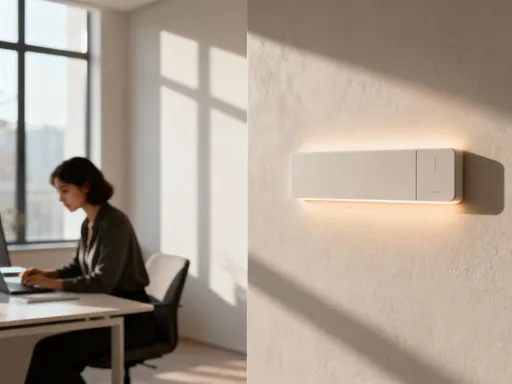
When I first heard about door sensors, I pictured something complicated—wires snaking through walls, a control panel with blinking lights, maybe even a monthly fee that felt like a mystery charge on my bill. I was wrong. What I found was surprisingly simple: a tiny magnetic pair, one part on the door, one on the frame. When the door opens, the connection breaks, and that’s when the magic happens. Most systems send a quiet alert to your phone—like a little whisper saying, "Hey, the back door just opened." No drama. No siren (unless you want one). Just awareness.
Think of it like a fridge magnet. You know how it sticks when the door is closed but falls off when you pull it open? That’s basically how these sensors work—just smarter. They use a magnetic connection, and when that connection is broken, they send a signal. Some connect to a central hub, some work through Wi-Fi, and many sync with apps you can check from anywhere. The best part? You don’t need to be a tech expert to set them up. I’m someone who still double-taps the light switch to make sure it’s off—this was actually easier than I expected.
But let’s clear up a few myths. These sensors aren’t a replacement for good locks. They won’t stop someone from breaking in. What they do is give you information. They’re like a watchful eye, letting you know when something has changed. They won’t arm your security system automatically (unless you have that feature), and they won’t call the police—but they will let you know if your teenager came home early from school, if the dog walker left a door ajar, or if a window blew open during a storm. That knowledge? That’s power. And for someone like me, who used to lie awake wondering, it’s priceless.
Mornings, Messes, and Open Windows: Real Home Moments That Changed With One Small Device
Our first real test came just a week after installation. It was a weekday morning—cereal spilled on the counter, backpacks half-packed, and my husband rushing to make his morning call. I was helping the kids with their shoes when I heard the dog bark and saw him dart toward the patio. The slider was open—just a few inches, but enough. Before I could even move, my phone buzzed. Back door opened. I shut it fast, heart pounding, but this time, there was no panic. There was gratitude. That little alert had caught it before anything bad could happen. I told my husband later, and he said, "That’s worth every penny right there."
Then came the storm. We’d had heavy rain for two days, and I’d cracked a bedroom window for air before bed. I forgot to close it. At 2 a.m., my phone lit up: Window opened. I jumped up, ran to the room—rain was blowing in, soaking the sill and the rug. I closed it just in time. No damage, no mold risk, no cleanup. Just a quiet victory. I didn’t have to guess. I knew.
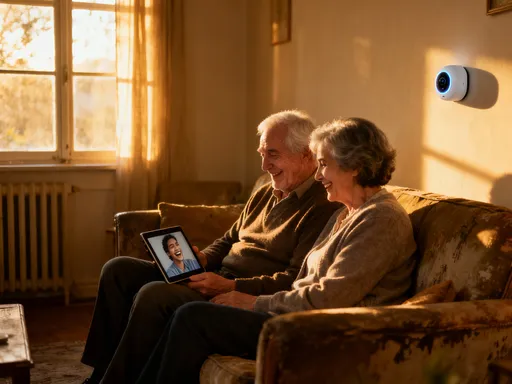
But one of the most meaningful moments involved my mom. She lives alone now, about an hour away, and I worry—not because she’s not capable, but because I’m her daughter, and that’s what we do. I gave her a set of sensors for her birthday. We set them up together—just on her front and back doors. She doesn’t use the app much, but the system sends me an alert if a door opens late at night. It’s not about control. It’s about care. Last month, I got a notification at 11:30 p.m. I called her—she’d woken up, disoriented, and walked outside for fresh air. We talked, she went back to bed, and I felt relief, not fear. These little devices aren’t just for young families. They’re for anyone who wants to feel more connected, more in the loop, more at ease.
Setting It Up Without Stress: My First-Time Install Experience (And What I Wish I Knew)
I’ll admit—I was nervous. The box looked small, but my mind made it huge. What if I couldn’t figure out the app? What if the sensors didn’t pair? What if I messed up the placement and they didn’t work? I set aside a Saturday morning, poured a cup of coffee, and just started. The instructions were clear: peel, stick, sync. Most kits come with adhesive strips—no tools needed. I used those for the upstairs windows. For the front door, where there’s more vibration, I opted for small screws (one came with the kit). It took maybe ten minutes per sensor.
The real trick? Alignment. The two parts—the magnet and the sensor—need to be close, usually within half an inch, and lined up just right. I made the mistake of placing one too high on the door frame, and for two days, it didn’t register when the door opened. Frustrating? Yes. Fixable? Absolutely. I just remounted it lower, tested it three times, and voilà—perfect. The app even has a test mode so you can open and close the door while watching the signal strength. Helpful? Huge.
Another thing I learned: battery life. Most sensors run on small coin-cell batteries that last a year or more. But when they start to fade, the app sends a low-battery alert. I ignored mine for a week, then suddenly, no notifications. A quick battery swap fixed it. Now, I mark my calendar every 10 months to check them. It’s like changing the smoke detector batteries—easy to forget, but so important. And here’s the truth: if I could do it, anyone can. You don’t need a degree in engineering. You just need a few minutes and the desire to make your home a little safer.
Beyond Security: How Knowing “It’s Closed” Frees Up Mental Space
Here’s what I didn’t expect: the mental shift. It wasn’t just about fewer false alarms or avoided accidents. It was about how much lighter I felt. I used to carry a quiet hum of worry—was the garage door shut? Did the kids leave the side gate open after playing? That mental load, that constant checking and rechecking, took energy. Real energy. Energy I could have spent reading to my kids, calling a friend, or just sitting quietly with a cup of tea.
With the sensors, that hum faded. Now, if I’m unsure, I open the app. Two seconds. Done. No driving home. No second-guessing. That freedom is profound. I sleep better. I’m more present during the day. I don’t jump at every creak in the house because I know—truly know—if a door or window opens, I’ll be told. It’s not that I’ve outsourced my responsibility as a mother or a homeowner. I’ve just given myself a tool that helps me do it better.
And it’s not just me. My husband noticed it too. He used to be the one double-checking the locks at night. Now, he says, "The system’s on. We’re good." That shared confidence has made our home feel calmer, more peaceful. We’re not living in fear—we’re living with awareness. And that makes all the difference. In a world that often feels overwhelming, having one less thing to worry about is a gift. It’s not flashy. It doesn’t win awards. But it lets me breathe. And sometimes, that’s the most important thing.
Making It Work for Every Home: Tips to Fit Your Life, Not the Other Way Around
One size doesn’t fit all—especially when it comes to homes. That’s why I love how flexible these systems can be. We customized ours to fit our rhythm. For example, during the day, when the kids are playing outside and the patio door is opening and closing every five minutes, I’ve set the alerts to silent. No constant pings. But at night, after 8 p.m., the system switches to active mode. If a door opens, I get a notification. It’s like having a night watchman who only wakes you when it matters.
We also linked it to our routine. Every night before bed, I do a quick check on the app—"goodnight mode." I see all doors and windows closed, get that little green checkmark, and I can truly relax. It’s become part of our family ritual, like brushing teeth or reading a bedtime story. For friends who rent, I always mention the adhesive options. No drilling, no damage, just peel and stick. When it’s time to move, you take them with you. One friend even used them in her apartment to monitor her front door while she worked late—peace of mind without landlord permission.
And if you have elderly parents, pets, or even just a home office you want to keep secure, you can place sensors exactly where they matter most. Garage doors, basement windows, even medicine cabinets if you’re worried about curious hands. The key is to think about your life—when you’re most vulnerable, when you’re most distracted—and place them there. Tech should serve you, not the other way around. It’s not about having every room monitored. It’s about knowing the things that matter to you are covered.
Peace Is Possible: Why This Small Step Made a Big Difference in Our Home Life
I’ll be honest—before I got the sensors, I didn’t realize how much energy I was spending on worry. I thought it was just part of being a mom, part of being responsible. But it wasn’t responsibility. It was exhaustion. The kind that comes from carrying invisible weight. These little devices didn’t change my home’s structure. They didn’t make the locks stronger or the walls thicker. But they changed how I feel in my home. I walk in the door now and feel relief, not dread. I go to bed and trust that I’ll know if something changes. That trust? That’s everything.
It’s not about living in fear of break-ins or disasters. It’s about caring enough to prepare. It’s about wanting the people you love to be safe, and giving yourself the tools to make that happen. For me, this wasn’t a high-tech upgrade. It was a quality-of-life decision. One small step that eased my mind, protected my family, and gave me back time, energy, and calm.
If you’ve ever paused on your way out the door, wondering if you locked it, or woken up in the middle of the night unsure if the kids’ window is closed, I want you to know: peace is possible. You don’t need a full security overhaul. You don’t need to spend a fortune. You just need one small step—one sensor, one alert, one moment of certainty. Because sometimes, the quietest tools make the loudest difference. And for a mom, a wife, a daughter, a caregiver—someone who holds so much together—feeling just a little more at ease? That’s not small at all. That’s everything.