It’s Not Just for Work: How a Team Chat App Transformed My Family’s Daily Chaos
Living with constant miscommunication—missed school events, forgotten grocery lists, everyone overwhelmed—used to be my normal. I tried calendars, sticky notes, even family meetings. Nothing stuck. Then I brought a simple team chat tool home. Not for work. For us. What started as an experiment became a lifeline. Now, my family actually *talks*, plans, and breathes easier—together. It wasn’t magic. It wasn’t a new parenting strategy. It was a small shift in how we connect—one that made all the difference.
The Breaking Point: When Family Life Felt Like a Failed Project
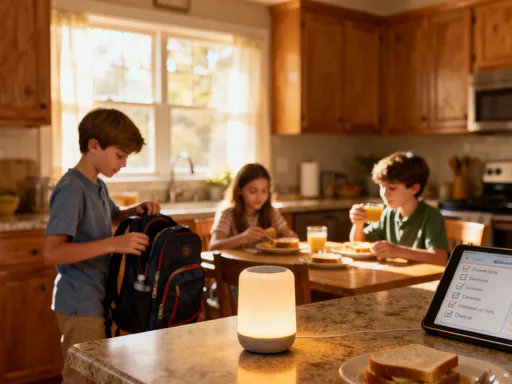
There was a week last fall when everything seemed to fall apart at once. My daughter had a school play on Tuesday, but I only found out Monday night because her flyer got lost in her backpack. My husband had a work trip he forgot to tell me about, so I’d already planned a big family dinner. My mom needed a ride to her doctor, but I was picking up my son from soccer—and no one had synced schedules. I stood in the kitchen, staring at three different calendars, sticky notes falling off the fridge, and a to-do list that felt like it was laughing at me. That’s when it hit me: our home was running like a failing startup with no project manager.
We weren’t lacking love or intention. We cared deeply about each other. But caring doesn’t pay the electric bill or remind you to buy milk. What we were missing was coordination. Simple, clear, consistent communication. We were all working hard, but in separate lanes, with no shared dashboard. I’d tried everything—color-coded planners, shared Google Calendars, even a whiteboard on the fridge. But life moves fast. Kids forget. Adults get distracted. Things slip through the cracks. And every small failure added up to a constant hum of low-grade stress.
That night, I sat down with my laptop after everyone was asleep. I was updating a work project in a team chat app—something we used daily for remote collaboration. As I typed a quick message to my colleague, I realized: this tool was doing exactly what my family needed. Real-time updates. Shared files. Quick check-ins. No emails lost in inboxes. No missed calls. Just clarity. I stared at the screen and thought, What if we used this at home? Not for work stuff. Not for long messages. Just… us.
A Work Tool at Home? Why I Gave It a Try
I’ll admit, the idea felt strange at first. Was I turning my family into a corporate team? Was I bringing work stress into our personal space? I didn’t want that. But the more I thought about it, the more I saw the difference. This wasn’t about performance reviews or deadlines. It was about reducing friction. About making life easier. So I decided to test it—quietly, gently.
I started with something small. My sister was visiting soon, and we needed to coordinate a birthday gift for our mom. Instead of a long chain of texts, I created a group in the chat app and invited my sister and my niece. We shared ideas, uploaded photos of possible gifts, and even did a quick poll to vote. It took two days instead of two weeks. And it was fun. No confusion. No double-buying. Just smooth, light communication. That’s when the lightbulb went off: This could work for my family too.
I brought it up with my husband over coffee. “What if we tried using a chat app at home?” I said. He looked at me like I’d suggested we start wearing uniforms. “You mean like Slack?” he asked. “Isn’t that for work?” I told him it didn’t have to be. We could make it our own. No pressure. No formal rules. Just a place to share what matters. He was skeptical, but he agreed to try—on one condition: no work talk, ever. I promised. This wasn’t about turning home into an office. It was about bringing a little order to the beautiful mess of family life.
Setting Up “Home HQ”: Making the Tool Feel Like Family
We called our group “The Smith Household” (not our real name, of course—privacy matters). I added my husband, my two kids, and even my mom, who lives nearby. My teenage daughter groaned when I invited her. “Mom, do I really have to be in a work app with you guys?” she said. But I promised it wouldn’t be weird. And I made it feel like home, not a meeting room.
We set a few simple rules. No work messages. No long paragraphs. Use emojis to keep things friendly—thumbs up, hearts, smiley faces. Pin important things like doctor appointments or school events so they don’t get buried. And most importantly: no pressure to reply right away. This wasn’t a chat room for instant responses. It was a shared space for staying in sync.
We started with a shared grocery list. Instead of me nagging everyone or finding empty cabinets, anyone could add to the list in real time. My son added “chocolate milk” the first day. My daughter added “avocados.” My husband added “coffee—urgent.” It was silly, but it worked. We also started sharing school flyers, permission slips, and event invites as files. No more lost papers. No more “I didn’t know about that!” moments. It became our family’s digital living room—a place where we could drop in, share, and move on.
One night, I posted a photo of my mom’s birthday cake with the caption, “Baking for tomorrow! 🎂” My daughter replied with a heart emoji. My husband said, “Save me a slice!” It wasn’t work communication. It was warmth. It was connection. And it felt natural.
Solving Real Problems: From Forgotten Homework to Dinner Drama
The first real win came just a week in. My son had a science project due Friday. On Thursday night, he panicked—“I lost the instructions!” Instead of scrambling, I asked his teacher if she could email the file. She did, and I uploaded it to our group. Within minutes, he was back on track. No yelling. No stress. Just a quick fix. That moment made me realize: this tool wasn’t just about convenience. It was about reducing anxiety—for all of us.
Dinner chaos used to be our biggest pain point. Who was home? Who needed a ride? Who was eating where? Now, someone just posts: “At soccer practice late—eating at Grandma’s!” or “I’m grabbing takeout—don’t wait for me.” No more cooking for five and serving two. No more guessing. And when we *do* eat together, it feels intentional, not accidental.
We started using polls for weekend plans. “Beach or hike?” “Movie night or board games?” Everyone could vote in seconds. No debates. No hurt feelings. Just fun. I even used it to coordinate carpooling for my daughter’s team. I sent a message: “Who can take the kids to practice on Thursday?” Two parents replied instantly. It took five minutes instead of five phone calls.
The app didn’t replace face-to-face time. In fact, it protected it. Because we weren’t spending dinner arguing about who forgot what, we had more space for real conversation. We talked about school, dreams, funny moments. The logistics were handled. Now we could just *be* together.
Emotional Benefits No One Predicted: Feeling Connected, Not Controlled
I thought this would make us more organized. I didn’t expect it to make us feel closer. But it did. One morning, I opened the app and saw a message from my daughter: “Good morning! ☀️” She’s not usually a morning person. But there it was—a little burst of light in my day. I replied with a sun emoji and a “Love you!” and went about my morning, smiling.
Another time, my husband sent a photo of a sunset he saw on his drive home. No words. Just the image. I replied, “Beautiful. Glad you got to see that.” It was a tiny moment, but it reminded me he was thinking of us. These small gestures—photos, emojis, quick check-ins—became threads of care woven into our daily lives.
My mom started sharing old family photos—black and white pictures of my grandparents, scanned and uploaded. “Just thought you’d like to see this,” she wrote. We all responded with hearts and memories. It wasn’t just a chat app anymore. It was a digital family album, a place where love could show up in small, quiet ways.
I realized the tool didn’t create connection. We already loved each other. But it made that love easier to express. It lowered the effort it took to say, “I’m thinking of you.” And in a busy world, that small reduction in effort makes all the difference.
Privacy, Boundaries, and Making It Sustainable
Of course, I had concerns. Could this feel like surveillance? Was I crossing a line by inviting everyone into a shared space? I didn’t want anyone to feel watched or pressured. So we talked about boundaries. We agreed: no checking if someone read a message. No expecting instant replies. This wasn’t about control. It was about support.
We turned off notifications after 9 p.m. No one wanted to be woken up by a grocery list update. We respected quiet time. And we made it clear: if anyone ever felt overwhelmed, they could mute the group or step back. This wasn’t mandatory. It was a tool, not a rule.
Over time, the app faded into the background. It became like electricity or running water—something we relied on but didn’t think about. We didn’t chat constantly. We didn’t post every little thing. But when we needed it, it was there. And when it wasn’t working—like the time the app had a glitch and we lost a week of messages—we adapted. We went back to texts for a few days. No drama. No panic. Because the habit of communicating had already taken root.
The goal wasn’t constant connection. It was peace of mind. Knowing that if something important came up, we’d know. That we wouldn’t miss a doctor’s appointment or a school event. That we could count on each other, even when we were apart.
Your Turn: How to Start Your Own Family Sync—Without the Stress
You don’t need to be tech-savvy to try this. You don’t need a fancy app or a degree in project management. You just need a little courage to try something new. Start small. Create one group. Invite the people who matter most. Keep the tone warm. Use a name that feels like home—“The Johnson Family Hub,” “Home Base,” “Us.”
Pick one thing to solve first. Maybe it’s the grocery list. Maybe it’s school schedules. Maybe it’s just sharing funny memes to make each other laugh. Let it grow naturally. Don’t force it. Don’t demand everyone respond. Make it easy, not another chore.
Use emojis. They soften the tone. A heart, a smiley face, a pizza slice—small things that say, “I’m not nagging. I’m connecting.” And remember: this isn’t about perfection. It’s about progress. Some days, no one will post. Some days, it’ll feel quiet. That’s okay. The value isn’t in constant activity. It’s in knowing the door is open.
If someone resists—like my daughter did—don’t push. Let them see how it helps. Let them join when they’re ready. And if it doesn’t work? That’s okay too. Not every tool fits every family. But for many of us, this small shift has brought a quiet kind of joy—the joy of feeling in sync, of being seen, of knowing we’re not alone in the chaos.
Because when communication flows, family life doesn’t just get easier. It gets better. We laugh more. We stress less. We show up for each other in ways that matter. And that’s not just efficient. That’s beautiful.