More than Monitoring: How Tech Reconnected Me with My Aging Parents
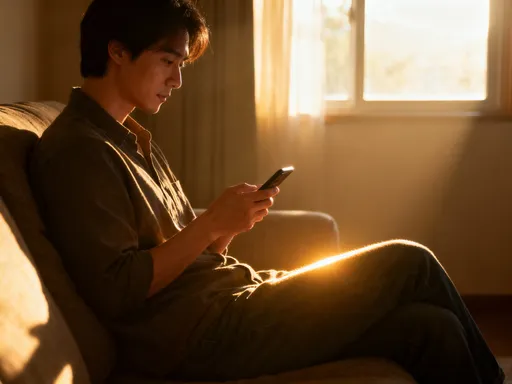
Family shouldn’t mean constant worry. For years, I struggled to stay close to my aging parents while managing my own life—until smart safety tools changed everything. It wasn’t about cameras or alerts; it was about connection. These technologies didn’t just give me peace of mind—they gave us back time, trust, and real conversations. This is how we stopped fearing silence and started sharing life again. I remember the first time I missed their call. It was a Tuesday. I was in the middle of a work meeting, my phone on silent, and by the time I saw the notification, my mom had already left a voicemail that started with a shaky breath. 'Just checking in,' she said. But something in her voice made my stomach drop. I called back immediately, and she was fine—just wanted to share a recipe. Still, that moment stayed with me. What if it hadn’t been fine? What if I hadn’t called back? That tiny crack of fear grew into a constant hum in the back of my mind. I wasn’t alone. So many of us, juggling jobs, kids, homes, carry this quiet dread: the fear of missing the one call that matters.
The Quiet Worry No One Talks About
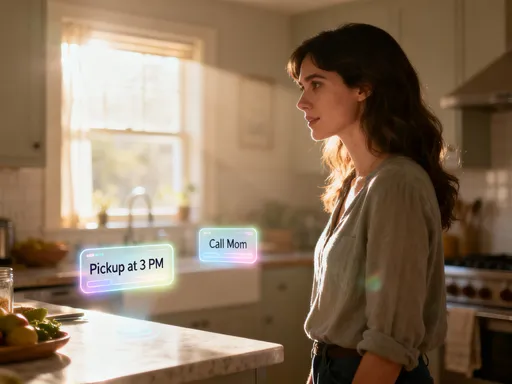
It’s not dramatic. It doesn’t come with sirens or emergency texts. It’s the slow, steady pulse of worry that lives in your chest when you’re miles away from the people you love most. You go about your day—making school lunches, answering emails, folding laundry—but underneath it all, there’s that question: Are they okay? I used to think I was overreacting. My parents are strong, independent, and proud. They raised me to handle things on my own, so I assumed they did the same. But pride doesn’t stop a fall. Independence doesn’t prevent forgetfulness. And love doesn’t always know how to ask for help.
I’ll never forget the winter morning I got a call from my dad’s neighbor. He said he’d seen my dad outside in slippers, trying to shovel snow at 7 a.m. He looked confused. My dad insisted he was fine, but the neighbor gently guided him back inside and called me. That was the first time I realized how close we were to a crisis I wouldn’t have known about until it was too late. The truth is, aging doesn’t always announce itself. It creeps in through small things: a missed appointment, a cold dinner, a longer pause between sentences. And when you’re not there to see it, you’re left guessing. That guessing game took a toll on me. I became distracted at work. I snapped at my kids more. I’d cancel plans because I was too anxious to enjoy them. The distance wasn’t just physical—it was emotional, too. I was present in body, but my mind was always back home, replaying every silence.
When “How Are You?” Isn’t Enough
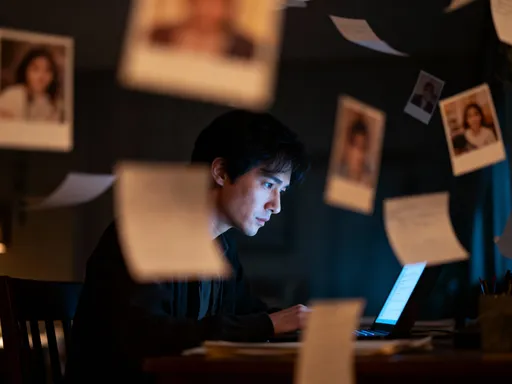
We’ve all had those phone calls. You dial your parent, heart full of love, and the conversation goes exactly the same way every time. 'How are you?' 'Oh, I’m fine.' 'Did you eat today?' 'Yes, dear, I had lunch.' 'Are you sure?' 'Of course!' And then you hang up, smiling, but deep down, you’re not sure at all. I started keeping a little notebook—just a pad by the fridge—where I’d jot down the date and time of each call, their answers, how they sounded. It felt obsessive, but I needed something to hold onto. One day, I realized I’d written 'fine' ten times in two weeks. But I also noticed something else: my mom stopped mentioning her garden. She used to talk about her roses for ten minutes straight. Now, silence. When I asked, she said, 'Oh, it’s too much work these days.' That was the moment I knew 'fine' wasn’t fine.
It wasn’t that they were lying. It was that they didn’t want to worry me. They didn’t want to be a burden. And I didn’t want to embarrass them by asking too many questions. So we danced around the truth, both of us pretending everything was normal. Then came the fall. My dad slipped in the bathroom. He got up on his own, didn’t hit his head, but he was sore for days. He didn’t tell me until a week later, when I visited and saw the bruise on his arm. 'Didn’t want to alarm you,' he said. But I was already alarmed—because I hadn’t known. That’s when I realized our usual check-ins weren’t working. We needed a way to know what was really happening, without making them feel watched or judged. We needed awareness, not interrogation.
Finding the Right Balance: Care Without Control
When I first mentioned technology, my parents flat-out refused. 'I’m not having cameras in my house,' my mom said. 'I’m not some criminal.' I understood. The idea of being monitored feels invasive, even threatening. I tried a medical alert button—it sat in a drawer, unused. 'It makes me feel old,' my dad admitted. So I stepped back. Instead of pushing solutions, I started asking questions. 'What would make you feel safer at home?' 'What worries you most?' Their answers surprised me. It wasn’t falling—they were more afraid of forgetting to turn off the stove or missing a doctor’s appointment. They wanted independence, not surveillance. They wanted help that didn’t look like help.
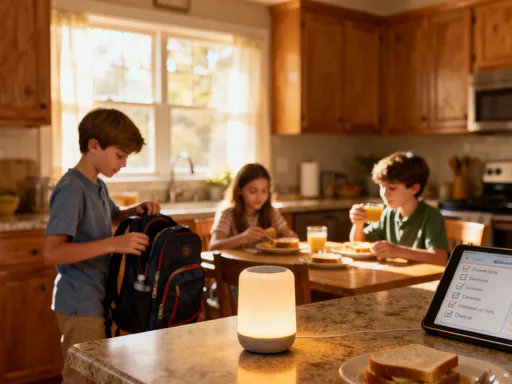
That’s when I discovered the difference between monitoring and supporting. We started small. A smart plug for the coffee maker—just to see if he made his morning cup. A door sensor on the medicine cabinet. No cameras. No wearables. Just quiet, unobtrusive tools that blended into their routine. I framed it as 'helping me worry less,' not 'keeping an eye on you.' And slowly, they warmed up. The coffee maker turned on every morning at 7:15. The medicine cabinet opened twice a day. When something changed, it wasn’t a red alert—it was a gentle nudge. 'Hey, I noticed you didn’t have coffee today. Everything okay?' That small question opened the door to real conversation. It wasn’t me demanding answers. It was me showing I cared, with proof.
How Simple Sensors Built Real Trust
You’d be surprised how much you can learn from a motion sensor. Not the kind that watches every move, but one that tracks general activity—like whether someone gets out of bed by 9 a.m., or if the kitchen light comes on in the evening. We placed one in the hallway and another near the living room. No recording. No video. Just presence. At first, I checked the app constantly, like a nervous new parent. But over time, I learned their rhythm. My mom liked to read the paper by the window at 10. My dad took a walk after lunch. When the pattern changed, it wasn’t panic—it was concern with context.
One Tuesday, the hallway sensor didn’t detect movement until nearly noon. I called. 'Mom, you’re up late!' She laughed. 'I had a hard time sleeping, but I’m fine now.' But I pressed gently. 'Did you eat breakfast?' Silence. Then, 'I forgot.' That was all I needed. I ordered her a meal delivery for that afternoon and stayed on the phone while she made tea. It wasn’t about catching her in a mistake. It was about being there, even from afar. Another time, the bathroom door stayed open longer than usual. I waited an hour, then called. 'Dad, everything okay in there?' He’d fainted briefly but woke up on his own. He didn’t think it was serious. But because I knew, we got him to the doctor the next day. That small sensor didn’t just detect a problem—it gave us time, clarity, and action. It turned fear into care.
From Alerts to Actual Connection
Here’s what no one tells you: too many alerts can make you more anxious, not less. At first, I had notifications for everything—door opens, motion detected, lights on. My phone buzzed constantly. I’d jump every time, heart racing, only to see it was the cat walking through the living room. I realized I was creating my own stress. So I adjusted the settings. Now, the system only alerts me if something is out of the ordinary—like no movement by 10 a.m., or the front door opening at 2 a.m. The rest of the time, it’s silent. And that silence? It’s golden.
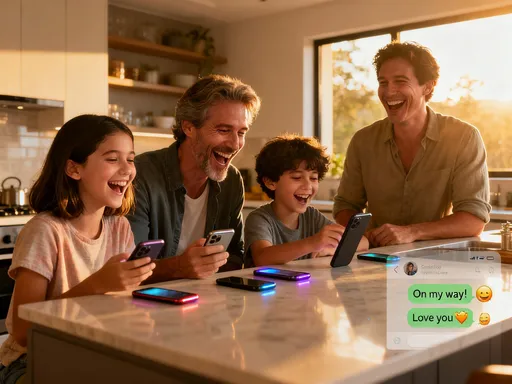
But the real magic happened when the tech stopped being a warning system and started being a conversation starter. I’d see that my mom had been gardening again—her favorite motion spot was back near the roses—and I’d text: 'Saw you were outside today—did the pink ones bloom yet?' Her reply: 'They’re gorgeous! I’ll send a picture.' That turned into a video call, then a recipe for rose petal jam she wanted to try. Or I’d notice my dad skipped his afternoon walk and call: 'Missed your step count today—everything okay?' He’d say, 'Just tired, but thanks for looking out.' That small exchange made him feel seen, not spied on. Technology didn’t replace our relationship. It deepened it. We weren’t just checking boxes anymore. We were sharing life.
Peace of Mind That Feels Like Love
There’s a kind of relief that settles into your bones when you stop living in fear. I can’t explain it fully, but it’s like a weight I didn’t know I was carrying has finally lifted. I used to dread the silence. Now, I trust it. When I don’t hear from them, I don’t assume the worst. I assume they’re fine—because the house tells me so. And that changes everything. I’m more present with my kids. I laugh more at work. I can go on a weekend trip without calling every two hours. I’m not perfect—I still worry sometimes—but the constant hum is gone.
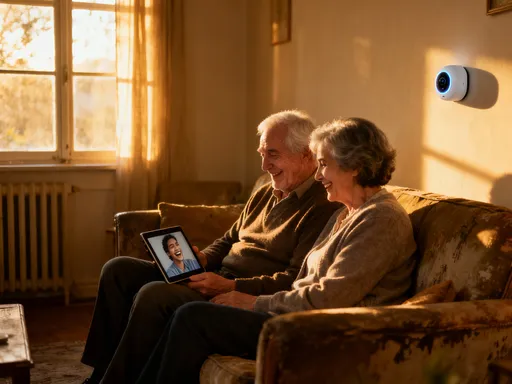
And my parents? They feel freer, too. They don’t have to perform 'fine' for me anymore. They can admit when they’re tired, when they need help, without guilt. The tech gave them space to be human. They’ve even started using a tablet I set up for video calls. We have 'virtual coffee' on Sundays. My mom shows me her new knitting project. My dad tells me about the birdhouse he built. These moments used to feel rare. Now, they’re regular. The tools didn’t create our connection—they protected it. They didn’t make me a better daughter overnight. But they gave me the calm I needed to show up with more patience, more love, and less fear.
A New Kind of Togetherness
Looking back, I realize we weren’t just afraid of accidents. We were afraid of losing each other. Distance had turned our relationship into a series of updates and reassurances. But now, something has shifted. We talk about more than health. We share jokes, memories, dreams. Last week, my dad sent me a photo of a squirrel stealing birdseed. 'This little thief again!' he wrote. I laughed out loud. That’s the kind of moment I’d have missed if I was too busy worrying. The best part? They don’t even think about the sensors anymore. They’ve become part of the house, like the thermostat or the doorbell. Invisible, but always working.
Technology didn’t fix aging. It didn’t stop time. But it gave us something precious: the freedom to focus on what really matters. It turned fear into presence. It turned silence into trust. And it reminded me that love isn’t just about being there—it’s about knowing how to be there, in the way that helps most. The tools didn’t replace our bond. They made room for it to grow. So if you’re carrying that quiet worry, I want you to know: you don’t have to choose between independence and safety, between distance and closeness. There’s a way to have both. It’s not about watching. It’s about caring with clarity. It’s not about control. It’s about connection. And sometimes, the quietest tech speaks the loudest—because it lets love be heard.