From Swipe Fatigue to Soulful Connection: How Dating Apps Finally Brought Order to My Love Life
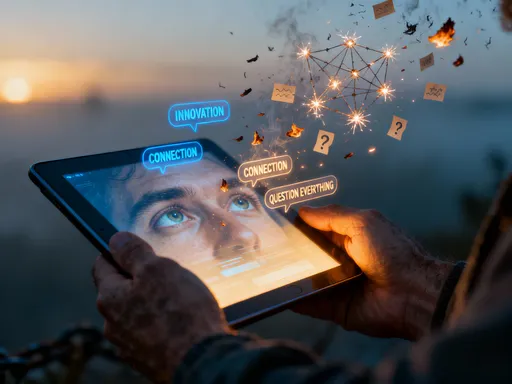
Remember those nights—endless swiping, ghosting, forced small talk about "pineapple on pizza"? I felt more drained than desired. Then came the shift: not just new matches, but real moments. A shared laugh over voice notes. Coffee plans that actually happened. It wasn’t luck—it was finally using dating platforms like a life organizer, not a game. Suddenly, love felt less chaotic, more intentional. And honestly? So was I.
The Dating Chaos: When Love Felt Like a Second Job
There was a time when my phone felt heavier at night, not because of its weight, but because of what it represented—another round of swiping. I’d lie in bed after the kids were asleep, or during my lunch break at work, scrolling through faces that blurred together. Smiling on mountains, holding guitars, posing with dogs. All nice, sure, but after a while, it started to feel like a performance I didn’t audition for. I wasn’t looking for a highlight reel. I was looking for someone who might actually want to build something real—maybe even someone who also hated doing the dishes and loved rainy Sundays with a good book.
But the apps didn’t feel built for that kind of connection. They felt built for speed, for volume, for dopamine hits disguised as chemistry. I’d match with ten people in an hour and still feel completely unseen. The conversations would start the same way: "Hey! How’s your week going?" and then—silence. Or worse, a slow fade into nothing. I remember one guy I talked to for days, planning a coffee date, only to have him vanish the morning of. No text, no explanation. Just… gone. And I wasn’t angry. I was tired. Not from the rejection, but from the emotional labor of starting over. Again. And again.
It wasn’t just me. I’d talk to my friends over brunch—women in their 30s and 40s, all smart, kind, successful—and we’d swap stories like war veterans. "He said he wanted kids, but then ghosted when I mentioned I already have two." "She seemed great, but we met up and all she did was talk about her ex." We weren’t broken. We weren’t unlovable. We were just exhausted. Dating had become a second job with no benefits, no clear path forward, and zero emotional ROI. I started to wonder: was I using the wrong app? Or was I using the right app the wrong way?
Hitting Reset: Realizing It Wasn’t Me, It Was My Approach
The turning point didn’t come from a match. It came from a quiet moment alone, scrolling through my calendar. I saw it—three dates scheduled in one week, all last-minute, all with men I barely knew, and I felt a wave of dread, not excitement. I wasn’t looking forward to any of them. I was just… going through the motions. That’s when it hit me: maybe the problem wasn’t dating. Maybe it wasn’t even the apps. Maybe it was me—my approach, my mindset, my lack of structure.
I started to think about how I managed other parts of my life. My work calendar was color-coded. My grocery list was organized by aisle. I had systems for everything—except love. Why was I treating my love life like a free-for-all when I relied on order everywhere else? What if I stopped seeing dating apps as games and started seeing them as tools? Not just for matching, but for organizing—like a personal relationship dashboard?
That shift in thinking changed everything. I didn’t need to delete the apps. I needed to redefine how I used them. Instead of opening them when I was bored or lonely, I set specific times—like a weekly Sunday evening check-in. Thirty minutes, no more. I treated it like a meeting with myself. I reviewed my matches, responded to messages, updated my preferences. I even started asking myself questions: "What am I really looking for right now?" "Do I want someone who enjoys quiet nights or weekend adventures?" "Am I ready for this?" Suddenly, I wasn’t reacting. I was responding. And that small change—from reactive to intentional—made me feel more in control than I had in years.
Profiles That Reflect Real Life, Not Fantasy
My old profile was… vague. "I love to travel, laugh, and good food." Wow, groundbreaking. So does everyone. I realized I wasn’t being honest—not with others, and not with myself. I was trying to be likable, not authentic. So I rewrote it. Not with buzzwords, but with truth.
I started with a simple sentence: "I’m a mom of two who believes bedtime stories are sacred." Then: "I’d rather walk a dog in the park than stand in a loud bar." And this one: "I’m not looking for perfect. I’m looking for real." I kept the photos simple too—no filters, no mystery shots from behind. Just me, in my kitchen, at a farmers market, laughing with my kids. No pretending to be someone I wasn’t.
And something interesting happened. The quality of matches changed. Not the quantity—actually, it went down. But the people who did match with me? They were different. One man wrote, "I saw your profile and thought, finally—someone who gets it." Another said, "I also think bedtime stories are non-negotiable." These weren’t pickup lines. They were connections. Because my profile wasn’t a performance anymore—it was an invitation. An invitation to people who shared my values, my pace, my version of love.
Think of your profile like a window into your life, not a stage. When you stop trying to impress and start being clear, you attract people who are looking for what you’re actually offering—not what you think they want to see. It’s not about being "perfect for everyone." It’s about being "right for the right one." And that kind of clarity? It’s powerful.
Scheduling Love: When Dates Fit Into Life, Not Overwhelm It
I used to dread the "So, when should we meet?" conversation. It always felt like a negotiation—awkward, vague, full of back-and-forth texts that went nowhere. "Are you free Friday?" "Maybe Saturday?" "How about next week?" By the time we finally picked a day, the excitement had faded. It felt like planning a business meeting, not a potential beginning.
But now, many apps have started syncing with calendars and offering smart scheduling tools. I can say, "I’m free Thursday evening or Sunday afternoon," and the app suggests time slots based on what works for both of us. Some even suggest nearby cafes or parks—places with good vibes and not too much noise. No more guessing. No more endless texting. Just a simple, clean process that respects both of our time.
This small change made a huge difference. Dates started feeling less like disruptions and more like meaningful moments I could actually look forward to. I could plan around my kids’ schedules, my work deadlines, my own energy levels. I wasn’t squeezing love into my life—I was inviting it in, on my terms.
And here’s the thing: when a date is easy to plan, it feels less risky. There’s no pressure to drop everything. No fear of wasted time. It’s not cold or robotic—it’s considerate. It says, "I value your time as much as my own." And that kind of respect? That’s the foundation of something real.
Communication That Builds Connection, Not Pressure
Remember the days of staring at your phone, rewriting the same message five times? "Hey" felt too short. "Hi, I love your photo with the dog" felt too forward. I’d agonize over tone, word choice, timing. It was exhausting. And for what? A one-word reply? Silence?
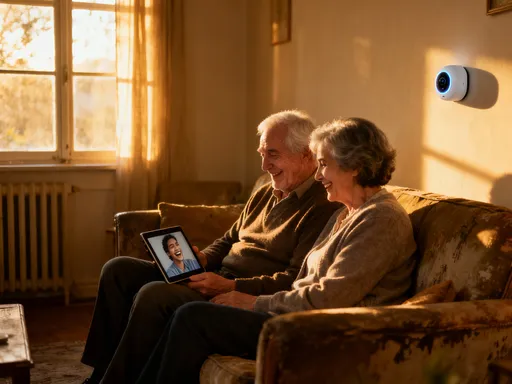
Now, some apps offer built-in tools that make early conversation feel lighter, more natural. Instead of a blank screen, I can send a voice note—just a quick, warm hello. I can share a song I’ve been listening to, or answer a fun prompt like, "What’s your go-to comfort food?" These aren’t games. They’re conversation starters that feel human. One match and I exchanged voice messages for three days before we even texted. We laughed about burnt toast and our shared love of 90s sitcoms. When we finally met, it didn’t feel like a first date. It felt like catching up with someone I already knew.
These features work because they reduce pressure. They’re not about winning someone over. They’re about building comfort. They let you hear someone’s laugh, feel their energy, get a sense of their rhythm before you ever meet. It’s like emotional warm-up before the real workout. And for someone like me—someone who values depth over speed—it’s a game-changer.
It’s not about replacing conversation. It’s about enriching it. When you start with something real—a voice, a shared playlist, a silly question—you skip the small talk and get closer to the good stuff faster. And that means less anxiety, more authenticity, and a much better chance of real connection.
Boundaries as Self-Care: Using Filters to Protect Energy
I used to think saying yes to everything was the way to keep my options open. But what I was really doing was draining myself. I’d match with anyone who smiled in their photo, even if their bio said they wanted something casual and I was looking for commitment. I’d reply to messages from people whose values didn’t align with mine, just because I didn’t want to seem "picky." Spoiler: it didn’t work. It just left me feeling used, confused, and more disconnected.
Then I learned to use filters—not as walls, but as wisdom. I set clear preferences: looking for long-term, values family, enjoys quiet weekends. I used the app’s tools to screen for dealbreakers early. Not in a harsh way. Just in a "this is what matters to me" way. And I started unmatching when conversations felt off—when someone was pushy, disrespectful, or just not present. No guilt. No second-guessing.
It felt like setting up do-not-disturb hours for my heart. I wasn’t closing myself off. I was protecting my energy for the right person. And that shift—from scarcity to self-respect—changed how I showed up in every conversation. I was calmer. More present. More honest. Because I wasn’t trying to fit myself into someone else’s mold. I was standing in my own.
Boundaries aren’t about being difficult. They’re about being clear. And when you’re clear about what you want, you attract people who want the same. It’s not about rejecting others. It’s about honoring yourself. And that kind of self-care? It’s the most attractive thing you can offer.
Love, Organized: Finding Calm Before the Connection
The biggest surprise wasn’t finding someone. It was finding myself again. When I stopped treating dating like a race and started treating it like a journey—with intention, structure, and self-respect—I changed. I was less anxious. More grounded. More open. I wasn’t desperate. I wasn’t settling. I was just… me. And that made all the difference.
Today, I’m in a relationship that grew from a simple voice note, a shared playlist, and a coffee date scheduled with two taps. It wasn’t fireworks. It was warmth. It was consistency. It was the kind of connection that builds slowly, like a good stew. And it happened not because I finally got lucky—but because I finally got organized.
These apps didn’t fix me. I wasn’t broken. But they did give me tools to show up more fully, more honestly, more peacefully. I didn’t need to change who I was. I just needed to stop hiding her. And in the quiet space I created—by setting boundaries, clarifying my profile, scheduling with care—I found not just love, but calm. And sometimes, calm is the most radical act of all.
So if you’re tired of swiping. If you’re tired of feeling invisible. If you’re wondering if love is even possible in this messy, fast-paced world—try this: stop chasing. Start organizing. Set your boundaries. Clarify your truth. Use the tools not to escape your life, but to bring love into it—gently, wisely, on your own terms. Because love shouldn’t feel like chaos. It should feel like coming home. And sometimes, the most modern tools can help us find the most ancient truth: that we are enough, just as we are.