More than alarms: How smart routines quietly transformed our mornings
Mornings used to be chaos—rushed breakfasts, forgotten lunches, kids scrambling for shoes. I felt like a referee, not a parent. Then we started using simple tech tools designed for daily life, not just productivity. They didn’t replace routines—they reshaped them. No more shouting reminders or last-minute panic. Just calm, connected mornings. If your household feels like it’s starting the day already behind, you’re not alone—and there’s a gentler way.
The Morning Mayhem Every Family Knows
Let’s be honest—how many of us have stood in the kitchen at 7:15 a.m., one hand stirring oatmeal, the other holding a permission slip we just noticed was due that day, while a child cries because their favorite shirt is in the laundry? We’ve all been there. The morning rush isn’t just busy; it’s emotionally exhausting. You’re not just making lunches and checking backpacks—you’re managing moods, solving last-minute problems, and trying to keep your own patience from unraveling. And it starts before most people have even had their first sip of coffee.
What makes this harder is that everyone in the house operates on a different rhythm. One child wakes up ready to go, fully dressed before breakfast. Another needs five reminders just to brush their teeth. Meanwhile, the dog needs walking, the school email about picture day arrives at 7:40 a.m., and you realize—again—that no one packed a library book. These aren’t signs of bad parenting. They’re signs of real life. The problem isn’t that we don’t care. It’s that we’re trying to juggle too many invisible tasks at once. Every forgotten item, every missed appointment, chips away at our energy and peace of mind.
And the emotional toll? That’s real, too. When mornings are stressful, we start the day already feeling behind. We snap at the kids. We feel guilty for snapping. We rush out the door with half our thoughts still on what we forgot. That tension lingers, coloring the rest of the day. But what if mornings didn’t have to feel like a race against time? What if we could reduce the chaos not by doing more, but by working smarter—using tools that support us, not overwhelm us?
Tech That Fits Real Life, Not Perfect Schedules
Here’s the truth: technology doesn’t have to be complicated to be helpful. You don’t need a PhD in engineering or a house full of expensive gadgets. What you need are tools that understand real life—the mess, the unpredictability, the fact that someone will always forget their gym clothes or that it’ll suddenly rain on the one day no one brought an umbrella. The best tech for families isn’t about automation for automation’s sake. It’s about reducing the mental load so you can focus on what matters—being present with your kids, not just managing them.
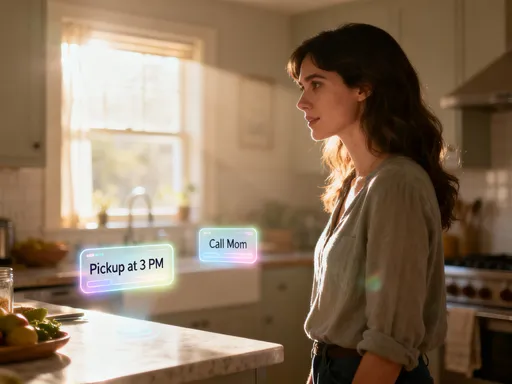
Take location-based alerts. Imagine your phone gently reminding you, “Gym clothes are still at school,” as you pull into the parking lot. Or a notification that says, “Rain expected in 30 minutes—don’t forget jackets.” These aren’t futuristic fantasies. They’re simple features in apps many of us already have. Weather apps can send alerts based on your local forecast. Calendar apps can remind you of events based on time and place. Even grocery lists can be shared in real time, so when your partner picks up milk on the way home, you both know it’s taken care of.
And the beauty is, these tools don’t require perfection. They work with your imperfections. Missed a step? The app doesn’t judge. Forgot to update the list? You can fix it in seconds. The goal isn’t to create a perfectly organized household. It’s to create a little more breathing room. One mom I know started using a shared family calendar after losing track of three school events in one month. She color-coded each child’s activities—blue for soccer, green for piano, pink for dentist. Within a week, the “Did I miss something?” anxiety started to fade. She said, “It’s not that we’re doing more. It’s that we’re forgetting less.”
How One Family Found Calm Before School
Meet the Rivera family—two parents, three kids, one very patient dog. A year ago, their mornings looked familiar to most of us: lots of yelling, last-minute searches for shoes, and at least one child in tears before the bus arrived. Then they made a small change. They set up a shared family calendar and linked it to their school’s online portal. Homework deadlines, field trips, early dismissals—everything flowed into one place. No more digging through email or deciphering crumpled notes from the backpack.
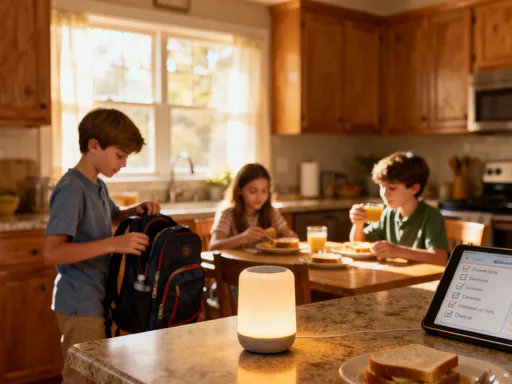
But the real game-changer was the smart speaker in the kitchen. Instead of Mom shouting, “Time to brush your teeth!” at 7:20 a.m., the speaker played a soft chime followed by a calm voice: “Good morning! In ten minutes, it’s time to grab your backpack.” The kids didn’t even realize they were responding to a routine. They just started moving. The younger ones loved the “magic voice” that told them what to do. The oldest, a 13-year-old who usually ignored verbal reminders, actually started getting ready faster. “It’s not you nagging me,” he said. “It’s just… the house telling me what’s next.”
They also added a simple visual routine on a tablet by the front door: a checklist with pictures for the little ones—“Breakfast,” “Backpack,” “Shoes,” “Jacket.” Each item lit up when completed. No more “Did you pack your lunch?” questions. No more guilt when someone forgot something. Mistakes still happened, but they became exceptions, not the rule. After a few weeks, Mom said, “I didn’t realize how much energy I was spending just keeping track of things. Now, I actually have time to ask, ‘How are you feeling today?’ and mean it.”
The Hidden Power of Shared Digital Habits
One of the most surprising benefits of using tech in the morning routine is how it builds responsibility in kids—without turning parenting into a military operation. When children see their tasks laid out in a clear, consistent way, they start to internalize them. A checklist on a tablet isn’t just a reminder; it’s a tool for independence. A six-year-old who checks off “brush teeth” on her own begins to feel capable. A ten-year-old who sees his soccer game pop up on the family calendar starts to remember it on his own.
And here’s something many parents don’t expect: kids often respond better to digital reminders than to us. It’s not that they don’t love us. It’s that a notification feels neutral. It’s not Mom yelling for the third time. It’s not Dad sounding frustrated. It’s a simple, calm signal that blends into the background of the day. One mom told me, “My son used to ignore me when I said, ‘Don’t forget your library book.’ But when the app buzzes on his tablet, he checks it. I don’t know why, but it works.”
Over time, these small habits add up. Kids learn to manage their time. They develop a sense of ownership over their day. They start to think ahead. And parents? We get a little more peace. We stop feeling like we have to be the constant reminder machine. Instead, we become guides, not nagging voices. That shift— from control to coaching—changes the whole tone of the morning. And it sets a foundation for life skills that go far beyond breakfast and backpacks.
Setting It Up Without the Stress
If you’re thinking, “This sounds great, but I don’t have time to figure out another app,” I hear you. The key is to start small—so small it feels almost too simple. Pick one pain point. Just one. Is it the daily lunch-packing scramble? The forgotten homework? The chaos around after-school pickups? Choose the thing that makes you sigh the most, and build from there.
Let’s say it’s lunch. Create a shared grocery list on your phone. Invite your partner and older kids to add items when they run low. Every time you forget something, don’t get frustrated—use it as a cue to improve the system. “We forgot apples again? Let’s add a reminder to check the list every Sunday night.” Make it a family habit, not a solo mission.
Or try a family messaging app. Instead of texting everyone separately, create a group chat just for logistics. “Bus delayed 10 minutes.” “Can you grab milk on the way home?” “Don’t forget piano tonight.” It keeps everyone in the loop without cluttering your personal messages. The first few days might feel awkward, but within a week, it becomes second nature.
And involve the kids. Let them help set up the checklist. Let them choose the sound for the morning alert. When they feel part of the process, they’re more likely to follow it. One dad told me, “I let my daughter pick the morning chime. She chose a bird song. Now she wakes up smiling. I didn’t expect that.”
When Tech Meets Compassion: Building Connection, Not Control
Here’s what I’ve learned: the goal isn’t a perfectly efficient morning. The goal is a more human one. It’s about creating space—for connection, for calm, for being present. When technology handles the small stuff, we’re freer to do the things that matter. Like looking your child in the eye and really seeing them. Like sharing a silly joke before they head out the door. Like starting the day with a deep breath instead of a shout.
And that means using tech with intention. Not to monitor every move, but to support. Not to replace parenting, but to enhance it. There’s a big difference between checking a tracker to know your child got on the bus and using that same tool to hover or micromanage. The first brings peace of mind. The second creates tension. The tools themselves aren’t good or bad. It’s how we use them that matters.
One mom shared a moment that stuck with me. She said, “Last week, I actually had time to sit with my daughter while she ate her toast. We talked about her dream from the night before. I haven’t done that in years.” That’s the real win. Not fewer forgotten lunches. Not smoother transitions. But more moments—real, quiet, meaningful moments—that would have been lost in the rush.
So set boundaries. Turn off notifications after 8 p.m. Respect privacy. Use tech to free up time, not fill it with more noise. Let it be a helper, not a boss. When we do that, we don’t just improve our mornings. We improve our relationships.
A New Normal: What Calmer Mornings Gave Back
After using these tools for a few months, something subtle but powerful started to shift. The yelling decreased. The eye contact increased. The kids began reminding each other, “Don’t forget your folder!” without being asked. And I noticed something in myself—I was less tense. More patient. More present. I wasn’t just surviving the morning. I was enjoying parts of it.
It wasn’t about perfection. We still had messy days. Someone still wore mismatched socks. There was still cereal on the counter. But the emotional baseline had changed. Instead of starting the day in crisis mode, we began with a sense of calm. That small shift made a big difference—not just in the morning, but in how we showed up for the rest of the day.
And the kids? They’re learning more than routines. They’re learning responsibility. They’re learning how to manage their time. They’re learning that systems can help us, not control us. These are lessons that will serve them long after they leave home.
So if your mornings feel out of control, know this: you don’t need a complete overhaul. You don’t need expensive gadgets or a degree in tech. You just need one small change. One shared list. One gentle reminder. One moment of calm instead of chaos. Start there. Build from there. Because the quiet transformation isn’t in the technology—it’s in what that technology gives back to you: time, peace, presence, and the chance to be the parent you want to be, not just the manager you’ve become. And that’s worth more than any alarm clock could ever deliver.