From Hesitant to Harmonious: How Price Comparison Apps Made Group Gifting Effortless
Shopping for friends used to stress me out—especially when planning group gifts. We’d waste time debating prices, split costs unevenly, or accidentally buy duplicates. But lately, something’s changed. With just a few taps, my friends and I now compare prices instantly, pool our thoughts and budgets smoothly, and surprise each other thoughtfully. It’s not just about saving money—it’s about saving energy, reducing stress, and making our friendships feel more connected. This shift? It’s simpler than you think.
The Group Gifting Struggle: When Good Intentions Meet Chaos
Remember that time you tried to organize a group gift for your sister-in-law’s birthday? You started with the best intentions—everyone loved her, and you all wanted to do something special. So you created a group chat, typed out a quick message, and waited for the ideas to roll in. But instead of excitement, what followed was confusion. One friend sent a link to a beautiful blanket from an online store, another found the same one on a different site but at a higher price, and someone else suggested a completely different gift altogether. Suddenly, the conversation became messy—links piling up, no clear decision, and no one tracking who had agreed to chip in.
And then came the money talk. Not the fun kind. You had to go back and ask, “Wait, did you all agree on $15 each?” Only to realize two people had already paid, one forgot, and another thought they were only doing $10. By the time the gift arrived, the joy of giving had been replaced by frustration, guilt, and that nagging feeling that someone ended up doing more than their share. It wasn’t about being unfair—it was about how hard it is to coordinate something that should feel simple.
Even small group gifts—like pitching in for a colleague’s farewell present or a housewarming gift for a cousin—can turn into emotional labor. We want to show we care, but the process often makes us feel disconnected instead of closer. The truth is, good friendships shouldn’t come with spreadsheet anxiety. We’re not accountants or project managers—we’re people who want to celebrate each other without the headache. And that’s exactly why so many of us have been looking for a better way.
Discovering a Smarter Way: The App That Changed Our Routine
The turning point for our group came last spring, during my best friend Lisa’s baby shower planning. We were in the same old loop—endless messages, overlapping suggestions, and that familiar tension of not knowing if we were making the best choice. Then Lisa said something that changed everything: “Hey, I’ve been using this app where you can see all the prices for the same item in one place. Want me to share the link with everyone?”
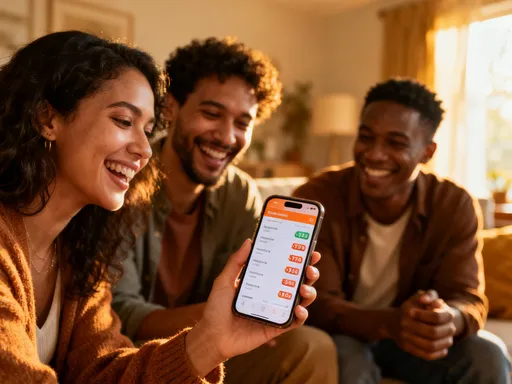
At first, I admit, I rolled my eyes a little. Another app? Really? But within minutes, I saw the difference. Instead of five different links to the same baby monitor, we had one clean page showing the exact same model at three different stores, with prices, shipping times, and even customer ratings side by side. We could all see it at the same time. No more guessing. No more “Wait, was that the one with the camera?” We voted with a quick emoji reaction, picked the best deal, and moved on.
What surprised me most wasn’t the savings—it was how much calmer the whole experience felt. There was no pressure, no confusion, and definitely no passive-aggressive “Just let me pay for it all” messages. Everyone felt included. The app didn’t make the decision for us, but it gave us the clarity to make it together. It was like someone had finally handed us a shared flashlight in a dark room. And once we saw how much easier it could be, we didn’t want to go back.
How It Actually Works: Simplicity Behind the Scenes
You might be thinking, “That sounds great, but I’m not exactly tech-savvy.” I felt the same way. But here’s the thing—these price comparison apps are designed for people like us. They’re not built for data analysts or engineers. They’re built for moms, aunts, coworkers, and friends who just want to get things done without the hassle.
Here’s how it works in real life. Let’s say we’re buying a coffee maker for my sister’s housewarming. One of us—usually me, because I love organizing—searches for “best drip coffee maker under $100” in the app. Instantly, it pulls up options from major retailers like Target, Amazon, and Walmart. Each listing shows the price, delivery speed, return policy, and even whether it’s on sale this week. The app automatically highlights the lowest price, but we can sort by other things too, like fastest shipping or highest rating.
Then comes the magic step: I tap “share,” send the link to our group chat, and everyone opens it on their own phone. We’re all looking at the same screen, in real time. No more “Is this the one you meant?” We can comment right in the app—“I like this one because it has a timer,” or “The other one is $15 cheaper but doesn’t come with a filter.” We vote, decide, and move on. Some apps even track price drops—if the coffee maker goes on sale two days later, we get a notification and can reconfirm or switch.
And if someone’s on a tight budget? The app often suggests similar items at lower prices, so no one feels excluded. It’s not about buying the cheapest thing—it’s about making sure everyone can participate comfortably. The whole process, from search to decision, takes less than 15 minutes. And honestly, it feels kind of fun. Like we’re a team, working together instead of against each other.
Beyond Saving Money: The Hidden Gift of Shared Decisions
Of course, saving $20 on a gift feels good. But what’s really changed in our friendships isn’t the amount we save—it’s the way we make decisions together. Before, someone would quietly pay more and never say anything, or someone else would feel left out because they didn’t see the early messages. There was always a little imbalance, even if no one talked about it.
Now, because we all see the same information at the same time, there’s a new kind of fairness. It’s not just financial—it’s emotional. When everyone can see the options, read the reviews, and weigh in, it creates a sense of shared ownership. No one feels like they’re being told what to buy. We’re choosing together.
I’ve even noticed that the quieter friends in our group—like my cousin Maria, who usually waits for others to decide—are speaking up more. She once pointed out that one blender had a better warranty, and we ended up switching because of her. She said afterward, “I never used to say anything because I didn’t want to slow things down. But now it feels like my opinion matters.” That hit me. This little tool didn’t just help us buy a blender—it helped her feel seen.
That’s the part no one talks about: technology can actually support empathy when it’s used the right way. It doesn’t replace conversation—it makes space for more voices. It doesn’t remove the human touch—it protects it by reducing friction. And in a world where we’re all so busy and stretched thin, that kind of emotional ease is priceless.
Making It a Habit: Turning Tools into Traditions
After seeing how well it worked for Lisa’s baby shower, we didn’t stop. We started using the app for everything—birthdays, teacher appreciation gifts, even a farewell present for my son’s kindergarten aide. What was once a chore has become something we actually look forward to. We’ve even developed our own little rhythm: one person takes the lead on searching, shares the link, and gives everyone 24 hours to react or suggest alternatives. We use a simple split-bill app to collect the money—no cash, no Venmo chaos—and keep a note of who paid.
The best part? We’ve stopped dreading group gifts. There’s no more last-minute panic, no more “Wait, did we already buy that?” We’ve created a system that respects everyone’s time and budget. And because it’s consistent, we don’t have to rehash the process every time. It’s become part of how we care for each other.
Some of my friends have even started using it for their families. One told me she uses it to plan holiday gifts with her siblings—no more stepping on each other’s toes or buying duplicate toys for the kids. Another uses it to help her elderly parents compare prices on prescriptions and household items. It’s not just for group gifting anymore. It’s become a small but meaningful part of how we live.
And that’s the goal, isn’t it? Not to be perfect, but to make life a little lighter. These tools don’t have to be fancy or revolutionary. They just have to work—for real people, in real relationships.
Avoiding Pitfalls: Keeping Tech in Its Place
Now, I’ll be honest—not every moment has been smooth. There was that time the app suggested a beautiful picture frame that was 60% off… but it turned out to be a third-party seller with terrible reviews. We caught it in time, but it reminded us: the app shows options, but we still have to think.
Another time, one friend felt uncomfortable because the lowest-priced option seemed too basic. She didn’t want to hurt anyone’s feelings by saying it looked cheap. That’s when we learned to set expectations early. Now, before we search, we agree on a budget range—like “Let’s keep it between $25 and $40”—and we remind each other that thoughtfulness matters more than price. We also take turns leading the search, so no one feels like they’re always the one doing the work.
The truth is, no app can replace kindness, communication, or care. Technology is just a tool. It works best when we use it to support our values, not replace them. We still send handwritten cards. We still call each other to say, “I was thinking of you.” The app doesn’t take the place of connection—it protects it by removing the stress that often gets in the way.
And if someone isn’t ready to use it? That’s okay too. We don’t force it. We just say, “Here’s the link if you want to see what we’re looking at,” and leave it at that. The goal isn’t to convert everyone—it’s to make giving easier for those who want it.
A Lighter, Closer Way to Connect
Looking back, I realize how much emotional energy we used to spend on something as simple as buying a gift. We carried the weight of coordination, fairness, and expectation like it was our job. But now? It feels different. Lighter. More joyful.
The app didn’t change our friendships—but it gave us space to enjoy them. By taking care of the small stresses, it lets us focus on what really matters: celebrating each other. We laugh more during these planning chats now. We tag each other in funny product reviews. We’ve even started a little tradition of adding a group note with every gift: “From all of us, after a very civilized decision-making process!”
That’s the quiet power of simple technology—not flashy, not complicated, but deeply human. It doesn’t replace the heart of giving. It protects it. It reminds us that care doesn’t have to be hard to be meaningful. And sometimes, the best gifts aren’t just the ones we unwrap—they’re the moments of ease, clarity, and connection we create along the way.
If you’ve ever felt overwhelmed by group gifting, I invite you to try it. Not because you need to save five dollars, but because you deserve to feel calm, included, and connected. Start small. Share one link. See how it feels. Because when we make giving easier, we don’t just give better gifts—we become better at being together.