Stop saying 'I’ll move later'—this little nudge fixed my whole day
We’ve all been there—glued to the desk, neck stiff, eyes tired, telling ourselves, “Just one more email.” Hours pass, and we wonder why we feel so drained. What if a quiet, kind reminder could gently pull you back into rhythm? Not with guilt, but with care? I didn’t believe it either—until a simple alert reshaped my energy, focus, and even my evenings with family. This isn’t about productivity hacks. It’s about reclaiming the natural flow of your day. And honestly? It changed everything.
The Invisible Trap: How Stillness Sneaks Up on Your Day
You don’t wake up planning to sit for six hours straight. It just… happens. Maybe you’re working from the kitchen table, juggling a Zoom call while helping your youngest with math. Or you’re in your home office, racing through deadlines, promising yourself you’ll stretch “after this task.” But then the dog needs walking, dinner’s burning, and suddenly it’s 8 p.m., your shoulders are tight, and you’re too tired to play that board game your kids have been begging for.
This isn’t laziness. It’s life. And in the middle of it all, movement becomes the thing we sacrifice first. We tell ourselves we’ll make it up later—after the laundry, after the emails, after the school project. But later rarely comes. Instead, what comes is stiffness, brain fog, and that low hum of exhaustion that makes even bedtime feel like a chore. I used to miss my daughter’s bedtime stories because I was too drained to read aloud. Not because I didn’t care—but because my body had been still for so long, it felt like wading through mud just to stand up.
What I didn’t realize then was that stillness isn’t neutral. It’s not just “not moving”—it’s actively disrupting your rhythm. Our bodies are built for motion. Even small shifts—standing, shifting weight, walking to the kitchen—help blood flow, keep muscles awake, and signal to your brain that you’re alive and engaged. When we stop those micro-movements, we’re not just risking back pain. We’re dulling our focus, slowing our digestion, and making it harder to transition into calm, present moments with our families. The cost isn’t just physical. It’s emotional. It’s the quiet loss of energy that used to light up dinner table conversations or make weekend walks feel joyful instead of exhausting.
More Than a Ping: The Quiet Power of Timely Reminders
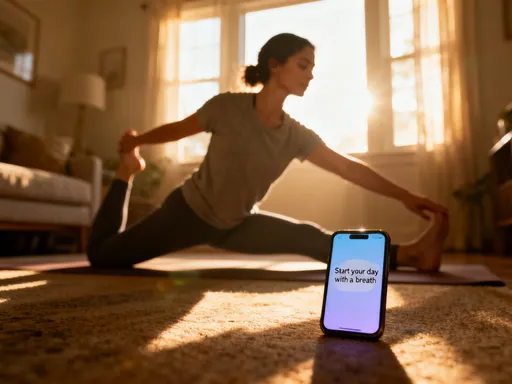
I used to think movement reminders were for people who had too much time or too much self-discipline. Like those perfectly organized moms who somehow do yoga at 5 a.m. and pack three-ingredient lunches. But the reminder that changed my life wasn’t loud or demanding. It was soft. Almost polite. A gentle chime from my smartwatch that said, “Time to stand and breathe for a minute.” No judgment. No countdown. Just an invitation.
And here’s what surprised me: that tiny pause didn’t feel like a chore. It felt like being seen. Like someone—okay, something—was noticing I’d been still too long and offering a quiet hand. It wasn’t about fixing me. It was about honoring my body’s need to reset. Think of it like rebooting your Wi-Fi router when the signal gets slow. You’re not replacing the whole system—you’re just giving it a chance to catch up, recalibrate, and run smoothly again.
That’s what these reminders do. They’re not shouting, “MOVE NOW!” They’re whispering, “Hey, you’ve been here a while. How about a stretch? A little walk around the house? Even just standing by the window and taking three deep breaths?” And the science behind it is real—brief movement breaks improve circulation, reduce muscle stiffness, and help your brain clear mental fog. But the real benefit? It’s emotional. It’s the feeling of being cared for, even when you’re the one who set the reminder. It’s proof that self-care doesn’t have to be grand. Sometimes, it’s just a soft sound that says, “You’re worth a pause.”
When the Reminder Becomes a Ritual: Building Rhythm, Not Guilt
At first, I ignored the alerts. Old habits die hard, right? I’d hear the chime, think, “Not now,” and keep typing. But after a few days, something shifted. Maybe it was curiosity. Maybe it was that one time I finally listened—and realized how much better I felt after just two minutes of shoulder rolls and a quick walk to the backyard. Whatever it was, I started saying yes more often.
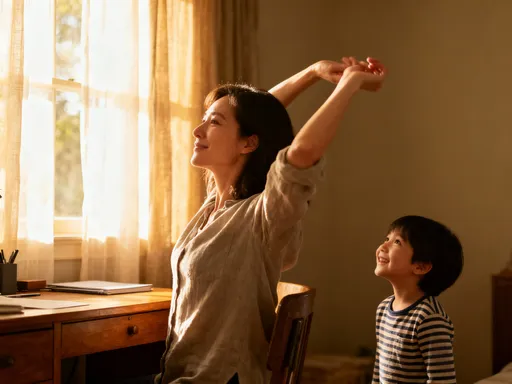
And then—almost without noticing—it became part of my day. Like brushing my teeth or filling my water bottle. The reminder wasn’t an interruption anymore. It was a cue. A familiar beat in the rhythm of my life. I began to look forward to it. That little chime became my chance to step away, reset, and reconnect—with my body, with my breath, sometimes with my kids. One afternoon, I stood up when the alert went off, and my son ran over and said, “Mommy, dance break!” And we did. Right there in the living room, to a song we both loved. It lasted 90 seconds. But it lifted my whole mood.
That’s when I realized: this isn’t about perfection. It’s about presence. You don’t have to do 20 jumping jacks or a full yoga sequence. You just have to move—gently, kindly, consistently. And when you do, something subtle but powerful happens. Your body remembers it’s allowed to feel good. Your mind clears. And your evenings? They start to feel longer, calmer, more full of life. I used to collapse on the couch after dinner, too tired to talk. Now, I’m more likely to sit with my family, present and engaged, because I’ve already had eight small resets throughout the day. That’s the magic of rhythm. It doesn’t demand more from you. It gives you back what stillness took away.
Hidden Perks You’d Never Expect: Focus, Mood, and Family Time
I started this for my back. But what I got was so much more. The first surprise was focus. I used to lose track during long calls, especially when helping my daughter with her remote learning. My mind would drift, and I’d have to ask her to repeat herself. But after a few weeks of honoring those little movement breaks, I noticed I could stay with her longer, listen more clearly, and actually enjoy our school time together. It turns out that standing up and shaking out your arms for a minute does more than loosen your shoulders—it clears the mental static, too.
Then there was the mood shift. I didn’t expect that. But on days when I followed my reminders, I felt lighter. Less irritable. More patient with the little things—like spilled juice or last-minute homework requests. It wasn’t that life got easier. It was that I had more emotional bandwidth. My body wasn’t holding onto tension, so I wasn’t snapping at my kids or shutting down after work. I had energy left for what mattered—like cooking dinner together, or reading that extra bedtime story.
And here’s the part I still get a little emotional about: family time improved. Not because I suddenly had more hours in the day—but because I had more presence. I wasn’t physically there but mentally checked out. I was actually *with* them. One evening, my husband said, “You seem… different lately. Calmer. Happier.” I smiled and said, “I’ve just been moving more.” He laughed, like I was oversimplifying. But I wasn’t. Those tiny breaks weren’t just about my body. They were about protecting my joy, my connection, my ability to show up as the mom and wife I want to be. And that? That’s worth every single chime.
Choosing What Feels Like *You*: Finding the Right Fit Without Overthinking
Now, I know what you might be thinking: “But what if I don’t want a watch? Or I hate alarms?” Same. I used to feel that way. I didn’t want another thing beeping at me, adding to the noise. So I tried a few different tools before I found what worked. And here’s the truth: it doesn’t matter what the tool is. What matters is how it makes you feel.
Some people love smartwatches—they like the gentle tap on the wrist, the way it feels personal and private. Others prefer phone apps with soft sounds or even voice reminders that say things like, “Hey, you’ve been sitting a while. How about a stretch?” I had a friend who set a recurring calendar alert with a photo of her dog—that made her smile every time it popped up. Another used a smart desk that slowly rose to standing height after 45 minutes, so she didn’t even have to think about it.
The key is to choose something that feels kind, not pushy. Something you can listen to without guilt if you’re in the middle of something important. I tried one app that scolded me if I skipped a break—“You missed your movement goal again!”—and I uninstalled it within a day. That wasn’t care. That was pressure. What works is gentleness. A nudge, not a nag. Something that says, “I’m here when you’re ready,” not “You’re failing.”
And remember: it’s not about the tech. It’s about the intention behind it. You’re not buying a gadget. You’re choosing to care for yourself in a way that fits your life. So take your time. Try a few things. See what feels like a friend, not a boss. Because when the tool feels right, it stops being tech—and starts being part of your rhythm.
Making It Stick: Simple Hacks to Turn Alerts into Habits
Let’s be real: even the best tool won’t help if you keep ignoring it. I learned that the hard way. For the first week, I dismissed every alert. Then I decided to try a different approach—pairing the reminder with something I already did. I started linking it to transitions: after a phone call, before checking the news, right after sending an email. That made it feel natural, not forced.
I also customized the message. Instead of a generic “Move now,” I changed it to “Breathe, stretch, smile.” And sometimes, I’d add a little humor—“Your back misses you!” or “Dance break with the kids?” That made it feel lighter, more like an invitation than a task. One day, I forgot to mute my watch during a call, and the reminder went off with “Time to stretch!” My team laughed, and one said, “I need that.” We ended up all sharing our favorite ways to move during the day. It turned into a little moment of connection.
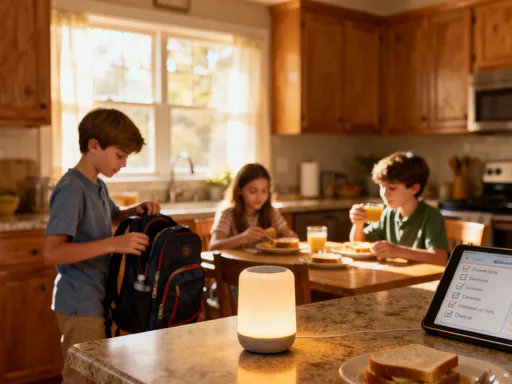
But the biggest game-changer? Involving my family. I told my kids about my “body check-ins,” and now they remind me too. My daughter yells, “Mommy, your break!” when she hears the chime. And sometimes, we all stand up and stretch together. It’s become part of our day—a tiny ritual of care we share. Even my husband joined in, setting his own reminder. Now, we have a standing joke: “Who’s going to be the first to move?” It’s sweet. It’s silly. And it keeps us all a little more active, a little more connected.
The point isn’t to be perfect. It’s to be consistent. Even if you only respond to half the alerts, you’re still giving your body more movement than before. And over time, those moments add up—like drops filling a bucket. One day, you’ll realize you’re not as stiff, not as tired, not as drained. And you’ll wonder how you ever lived without that little nudge.
A Life in Better Motion: Small Nudges, Big Shifts
Looking back, I can’t believe how much changed from something so small. I didn’t overhaul my diet. I didn’t start running marathons. I just began listening—to my body, to a quiet chime, to the part of me that needed to move. And in doing so, I found more energy, more focus, more joy in the everyday moments I used to rush through.
This isn’t about doing more. It’s about living more fully in each part of your day. It’s about not waiting until you’re exhausted to remember you have a body. It’s about building a life where care isn’t a luxury—it’s woven into the rhythm of your hours. Because when you move with your body, not against it, everything else flows a little easier. Your mind clears. Your mood lifts. Your relationships deepen.
So if you’re still saying, “I’ll move later,” I get it. I was there too. But what if “later” never comes? What if, instead, you let a small, kind reminder help you return—to your body, to your breath, to your life—right now? It doesn’t have to be perfect. It just has to be consistent. And over time, those tiny returns become a new rhythm. A quieter, kinder, more alive way of moving through your days.
You’re not just building healthier habits. You’re reclaiming your energy, your presence, your joy. And that? That’s worth every single nudge.