It’s Not Just About Saving Memories: How Travel Tracking Helped Our Family Finally Sync Lives
We’ve all been there—returning from a trip only to realize no one remembers the same details, or promising to plan a reunion that never happens. I used to think travel was just about the destination, until I started recording our journeys differently. Not for social media, but for us. What began as a simple way to store photos quietly transformed into something deeper: a shared rhythm that helped my family stay connected, even when life pulled us in different directions. It wasn’t about capturing the perfect sunset or showing off our latest getaway. It was about creating a space where we could all show up, remember together, and feel like we were still part of the same story—no matter how far apart we lived or how busy our days became.
The Chaos Before: When Every Trip Felt Like a Lost Moment
Life used to blur together in a way I didn’t notice until it was almost too late. We’d come home from vacations—happy, tired, sun-kissed—and within weeks, the details would fade. The kids would forget which beach we’d built that giant sandcastle on. My sister would swear we’d eaten at a certain seafood place, but no one else remembered it. Even simple moments, like Dad trying to set up the tent and giving up halfway, would get retold differently by each of us. It wasn’t that anyone was lying—it was that our memories had become fragmented, scattered across phones, cloud storage, and the corners of our minds.
What I didn’t realize then was that we weren’t just losing photos or stories. We were losing a shared sense of who we were as a family. Without something to anchor our experiences, it felt like we were living parallel lives instead of one together. Holidays became something we survived, not celebrated. Reunions were planned with good intentions but often canceled last minute because no one could agree on when—or why—we should meet. The rhythm of our lives had fallen out of sync, and I didn’t know how to fix it. I kept thinking, If only we could remember the good parts the same way. But wishing wasn’t enough.
There was one trip to the mountains that stands out—not because it was special, but because it wasn’t. We’d driven up for a long weekend, packed into two cars, laughing and bickering the whole way. We hiked a short trail, ate too many s’mores, and played board games by lantern light. When we got back, I asked my niece, “Wasn’t that the best weekend ever?” She looked at me, confused. “Which one?” she said. That moment hit me like a quiet thunderclap. How could something that felt so meaningful to me already feel forgettable to her? That’s when I knew we needed more than just photos. We needed a way to keep the feeling alive—together.
Finding a Simple Fix: Starting Our Travel Journal (Without Even Knowing It)
The change didn’t start with a plan. It started with clutter. One rainy Sunday, I was cleaning out my phone, deleting blurry photos and old screenshots. I stumbled on a folder labeled “Family Trip 2019” and realized I hadn’t looked at those pictures in over a year. On a whim, I uploaded a few to a travel tracking app I’d downloaded months ago but never used. I tagged the location—Lake Tahoe—and added a tiny note: “Dad laughed the whole hike. Emma fell in the lake (on purpose).” I didn’t think much of it. I just wanted to clear space.
But then my sister commented: “I forgot how much fun that was. Remember when Uncle Joe tried to fish with a bread clip?” Her message lit something up in me. Someone else remembered. Not just the place, but the feeling. So I added another photo. Then another. I started writing little captions—not perfect, not polished, just real. “Cold morning. Hot chocolate saved us.” “This view made us all shut up for five whole minutes.” It wasn’t a diary. It wasn’t a blog. It was just us, talking through memories like we were sitting around the campfire again.
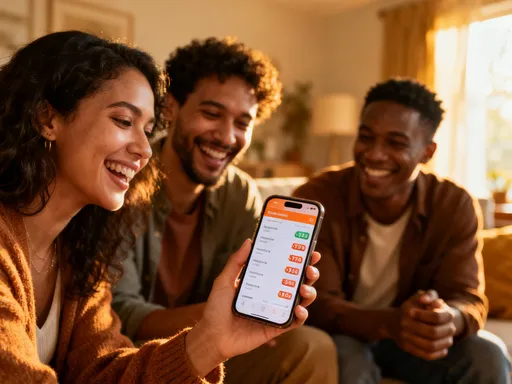
What surprised me most was how quickly others joined in. My mom, who barely uses social media, started adding her own notes: “This was the day I finally beat your father at cards.” My brother, usually quiet, uploaded a short video of us singing off-key around the fire. We weren’t posting for likes or followers. We were posting for each other. And slowly, something shifted. The app wasn’t just storing photos anymore. It was becoming a place where we could meet, even when we weren’t in the same room. It wasn’t about the technology—it was about what the technology made possible: a shared language of love, humor, and belonging.
How the App Changed More Than Our Photos
I expected the app to help us remember trips. I didn’t expect it to change how we talked to each other. But that’s exactly what happened. As we added more journeys, a timeline began to form. We could see, at a glance, how often we’d gathered, who had missed which trip, and how our lives had shifted over the years. My brother moved overseas for work, and suddenly, his face disappeared from the photos for months. Seeing that gap on the screen made it real in a way texts never did.
But here’s the beautiful part: the app didn’t just show us what was missing. It helped us fix it. A simple notification popped up one morning: “One year ago today, you hiked Mount Shasta.” I smiled, clicked on it, and sent the photo to my brother with a message: “Remember this? Your boots gave out halfway.” He replied instantly: “And you carried my backpack the rest of the way. I owe you another s’more.” That small exchange led to a video call that night—the first in weeks. The app didn’t create the connection, but it gave us a reason to reconnect.
We started using it to plan, not just remember. Before, planning a trip meant endless group texts, conflicting schedules, and forgotten promises. Now, we’d look at past trips and say, “We loved the lake house—let’s do that again.” Or, “Remember how stressed we were after that busy summer? Let’s book something quiet next time.” The app became a quiet rhythm-keeper, reminding us not just of where we’d been, but of how we wanted to feel. It turned planning from a chore into a conversation—one rooted in real experience, not just wishful thinking.
From Memory Vault to Family Calendar: Syncing Life Beyond Travel
What started as a travel log quietly grew into something bigger. One day, I added a note: “Mom’s birthday dinner—reserve table at 7.” Just a reminder to myself. But my sister saw it and wrote, “I’ll bring the cake.” Then my cousin added, “Can I bring my new puppy?” Suddenly, it wasn’t just about birthdays. It was about showing up. We started adding other events—school plays, doctor appointments, anniversaries—right alongside our vacation memories. The travel app had become our family’s unofficial calendar.
My mom, who used to miss events because she “never knew when things were,” now checks the app every Sunday night. “It’s the only calendar I actually look at,” she told me. “It feels like home.” And she’s right. Because instead of just listing dates, it shows the story behind them. Next to “Emma’s graduation,” there’s a photo from her first day of kindergarten. Beside “Dad’s retirement dinner,” there’s a clip of him grilling burgers in the rain, laughing. The events aren’t isolated—they’re part of a larger narrative. And that makes them matter more.
We began planning new moments by linking them to old ones. “Let’s have a picnic at the same park where we flew kites when the kids were small.” “This year, let’s recreate that photo from 2017—see how much we’ve changed.” These aren’t just plans. They’re echoes. They’re ways of saying, I remember you. I see how far we’ve come. The app didn’t replace tradition—it helped us create new ones, rooted in what we already loved. And because everything lives in one place, it’s easier to stay in sync. No more missed birthdays. No more “I didn’t know that was today.” Just a gentle nudge from the past, guiding us toward the future—together.
The Unexpected Emotional Shift: Feeling Closer, Even When Apart
When my brother moved to London, I worried we’d drift. We’d always been close, but distance has a way of wearing down even the strongest bonds. At first, we texted often. Then life got busy. Weeks would pass without a real conversation. I missed his laugh. I missed our silly debates about which movie had the best soundtrack. I didn’t want to nag, so I stayed quiet.
Then one night, I opened the app and started scrolling through our old trips. I found a video from our last family camping trip—my brother wearing the most ridiculous hat collection imaginable: a cowboy hat, a pirate bandana, and a reindeer antler headband, all at once. I laughed out loud. On impulse, I sent it to him with a note: “Still haven’t forgiven you for stealing my favorite hat.” He replied with a voice message, laughing: “It looked better on me anyway.” That one exchange broke the silence. We ended up on a video call for an hour, talking about nothing and everything.
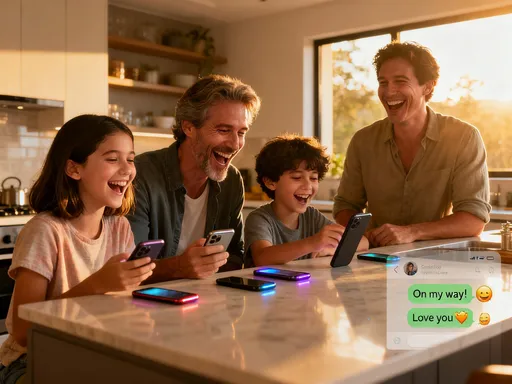
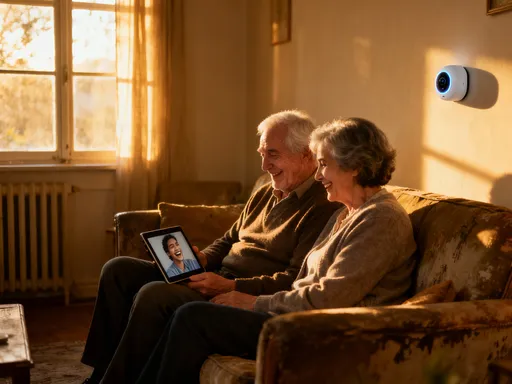
That moment taught me something important: connection doesn’t always need a big event. Sometimes, it just needs a shared memory to spark it. The app didn’t replace talking, but it gave us a bridge. Now, we make it a habit to “visit” old trips together—virtually. We’ll pick a summer and go through the photos, commenting, laughing, remembering. It’s not the same as being together, but it’s close. It reminds us that even when we’re miles apart, we’re still part of the same story. We’re not just family by blood. We’re co-authors of a life we’re building, one memory at a time.
Making It Work for Any Family: Simple Steps We Took
You don’t need a fancy app or perfect photos to start. We didn’t. We began with one person—me—uploading a few pictures each month. No pressure. No rules. Just a gentle habit. Then, I invited others to join, not with a demand, but with a question: “Want to see the funny face Emma made at breakfast?” That felt safe. That felt warm. And slowly, others started adding their own bits—a photo, a voice note, a short story.
We set a few tiny ground rules to keep it light. No pressure to post. No judgment if someone forgot. Just one memory per trip, if possible. For my mom, typing was hard, so she started recording voice notes instead. “This was the day the rain ruined our picnic, but we ended up playing cards in the car and it was better.” Her voice, warm and familiar, made the memory come alive in a way text never could. For my nephew, who’s shy, drawing a picture and uploading it worked better than writing. The key wasn’t perfection. It was participation. It was showing up, in whatever way felt right.
Consistency mattered more than frequency. We didn’t need to post every day. Just once in a while. Over time, it became second nature—like setting the table before dinner or calling on Sundays. The app didn’t demand our attention. It waited for us. And when we showed up, it greeted us with memories that said, You belong here. If you’re thinking of starting something like this, begin small. Pick one trip. Upload three photos. Add one sentence. Invite one person. Let it grow at its own pace. This isn’t about technology. It’s about love, made visible.
More Than a Timeline: Building a Legacy of Togetherness
Today, our travel record feels like a living scrapbook—one that breathes, grows, and connects us across time and distance. My niece, now ten, adds her drawings to the summer trips. “This is me feeding the ducks,” she’ll say, uploading a crayon sketch next to a photo of her by the lake. My dad, who once said he “didn’t get all this tech stuff,” now asks me to help him add a note: “This was the best blueberry pie I ever ate.” It’s not just about remembering the past. It’s about shaping the future.
We revisit the app before every holiday, not just to reminisce, but to plan with heart. “Remember how happy we all were at the beach house? Let’s go back.” “Last year’s Christmas dinner was loud and messy—let’s do it again.” These aren’t random choices. They’re intentional acts of love. We’re using our history to build our future. And in a world that pulls us in every direction—work, screens, responsibilities, noise—this small habit has become our anchor. It doesn’t solve everything. It won’t fix every argument or erase every distance. But it gives us something real: a place where we’re seen, remembered, and loved.
This isn’t magic. It’s not about the latest gadget or the most advanced software. It’s about using simple tools to do something deeply human: stay close. To build a legacy not of possessions, but of presence. Of moments that matter. Of a family that, no matter how life changes, keeps choosing each other—one memory, one click, one shared laugh at a time. And if you ask me, that’s the kind of technology worth embracing.